

Autodesk Civil 3D is a deeply integrated civil engineering and BIM platform, built to handle topography, corridor modeling, site grading, stormwater analysis, and detailed construction documentation. Civil 3D demands a laptop that supports both technical precision and graphical fluidity for laying out a subdivision, designing roadways, or collaborating on large-scale infrastructure projects
This guide is built for civil engineers, site planners, surveyors, infrastructure designers, and urban development consultants who depend on Civil 3D daily. If you’re working with large point clouds, terrain models, or complex corridor assemblies, your laptop needs to do more than just open DWG files—it must enable high-speed calculations, smooth model interaction, and consistent performance under demanding workloads.
Let’s explore the hardware requirements that matter most:
Processor (CPU) is critical. Civil 3D is CPU-intensive, especially during tasks like creating surfaces from large datasets, regenerating plan/profile views, or recalculating corridor models. You want a processor with high single-thread performance, but also multiple cores for background processes and complex calculations. We recommend Intel Core i7 or i9 (13th or 14th Gen H/X series) or AMD Ryzen 9 (7000/8000 HX series). Civil 3D also benefits from higher clock speeds—so prioritize CPUs that consistently boost above 4.5GHz.
GPU supports Civil 3D’s DirectX/OpenGL-based graphics engine, used during 3D modeling, surface visualization, and realistic render previews. While not as GPU-reliant as rendering software, you still need dedicated graphics to navigate large sites, use visualization extensions, or integrate Navisworks or InfraWorks. We recommend NVIDIA RTX 4060 or better (e.g., 4070/4080), or professional-grade GPUs like NVIDIA RTX A2000 or A3000 if your workflows involve extensive point cloud use or ReCap integration. For Mac users—although native support is limited—Apple’s M3 Max offers strong GPU performance, but Civil 3D is best optimized for Windows.
RAM (Memory) plays a major role in handling terrain models, large xrefs, pipe networks, and sheet sets. We recommend 32GB of DDR5 RAM as a reliable minimum. Civil 3D can quickly push beyond 16GB in real-world use, especially if you’re using external data references (DREFs) or working on projects shared via BIM 360 or ACC. For high-performance setups, 64GB ensures headroom for multitasking with tools like Excel, Bluebeam, ReCap, or InfraWorks.
Storage performance affects everything—from opening drawings to regenerating surfaces and syncing cloud-based projects. Civil 3D works best on a PCIe Gen 4 NVMe SSD. A 1TB drive ensures you have room for large terrain files, DWGs, XMLs, and reference datasets without worrying about capacity. Many professionals use a secondary drive for data segregation—project files on one, system/cache files on another—for speed and organization.
Display quality matters more than most realize. Civil 3D work benefits from screen resolution and sharpness, especially when working across multiple layouts, detailed plan sets, and complex cross sections. A 15.6” or 16” QHD (2560×1600) or 4K display allows you to see lineweights, text styles, and object layers clearly without excessive zooming. Look for 100% sRGB or higher color accuracy, particularly if your deliverables include rendered visualizations or presentations.
Software Ecosystem Compatibility is key. If you integrate with other Autodesk tools like InfraWorks, Navisworks, or ReCap, or rendering plugins like Twinmotion, then your laptop must support them without bottlenecks. These platforms are GPU-accelerated, so your graphics card should match the scale of your modeling and visualization needs.
This guide is built for professionals who don’t just draft—they design infrastructure, coordinate data, and deliver build-ready plans.
You can also have a look at the best Laptops for MATLAB in addition to the Best Laptops for Solid Edge.
Best 2026 Laptops for Autodesk CIVIL 3D;
Contents
- Lenovo Yoga Pro 9i Aura Edition 16 Ultra 7 356H RTX 5060 32GB 1TB 3.2K OLED
- Lenovo Legion 7a 16 Ryzen AI 9 HX 470 RTX 5070 32GB 1TB 240Hz OLED
- GIGABYTE AERO X16 Ryzen AI 9 465 RTX 5070 12GB 16 inch WQXGA 165Hz
- Lenovo LOQ 15AHP11 Ryzen 7 253 RTX 5050 16GB 512GB WUXGA 165Hz
- Acer Nitro V 16 AI 16 inches 2560 x 1600 Pixels, 16GB DDR5, 1TB PCIe Gen 4 SSD, Intel Core Ultra 7 356H, NVIDIA GeForce RTX 5060 Laptop GPU 8GB GDDR7
- GIGABYTE GAMING A16 Ryzen 5 150 RTX 5050 16 inch WUXGA 165Hz
- Lenovo Legion 5i 15 Ultra 9 386H RTX 5060 32GB 1TB 2.5K OLED
- Dell Alienware 16X Aurora Ultra9 290HXPlus RTX5060 32GB 1TB OLED 240Hz
- ASUS TUF Gaming A16 2026 AMD Ryzen 7 260 NVIDIA GeForce RTX 5070 Laptop GPU, 8GB GDDR7
- Acer Predator Helios Neo 16S AI 16 inches 2560 x 1600 Pixels, 32GB DDR5, 1TB PCIe Gen 4 SSD, Intel Core Ultra 9 386H, NVIDIA GeForce RTX 5070 Ti Laptop GPU 12GB GDDR7
- MSI Raider 16 HX 16 inches 240Hz IPS-Level 2560 x 1600 Pixels, 1TB Storage, 32GB RAM, Intel Core Ultra 7 255HX, NVIDIA GeForce RTX 5070 Ti Laptop GPU 12GB GDDR7
- MSI Stealth 18 HX 18 inches 240Hz Mini LED 3840 x 2400 Pixels, 2TB Storage, 32GB RAM, Intel Core Ultra 9 290HX Plus, NVIDIA GeForce RTX 5080 Laptop GPU 16GB GDDR7
- Razer Blade 18 2026 Core Ultra 9 290HX Plus RTX 5090 128GB 2TB Dual Mode
- HP HyperX OMEN MAX 16 Intel Core Ultra 9 290HX Plus RTX 64GB 2TB 2026
- Dell Alienware 18 Area 51 Core Ultra 9 290HX Plus RTX5090 64GB 2TB WQXGA 300Hz
- ASUS ProArt PX13 2026 AMD Ryzen AI 9 HX 370 NVIDIA GeForce RTX 5070 Laptop GPU, 8GB GDDR7
- ASUS ROG Zephyrus G14 2026 AMD Ryzen AI 9 HX 475 NVIDIA GeForce RTX 5070 Ti Laptop GPU, 12GB GDDR7
- ASUS TUF Gaming A14 2026 AMD Ryzen AI 9 465 NVIDIA GeForce RTX 5060 Laptop GPU, 8GB GDDR7
Best Overall Laptops for Civil 3D
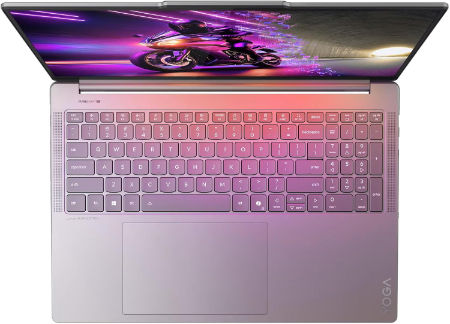
Lenovo Yoga Pro 9i Aura Edition 16 Ultra 7 356H RTX 5060 32GB 1TB 3.2K OLED |
|
|---|---|
 Check This On Amazon |
|
| CPU | Intel Core Ultra 7 356H, 16 cores, up to 4.7 GHz, NPU up to 50 TOPS |
| GPU | NVIDIA GeForce RTX 5060 Laptop GPU, 8GB GDDR7 |
| Display Size | 16 inch, 16:10 |
| Display Resolution | 16 inch 3.2K OLED 3200 × 2000, 120Hz, up to 1600 nits HDR peak / 1000 nits typical, 100% P3 and sRGB, DisplayHDR 1000, touchscreen |
| RAM | 32GB LPDDR5X 7467MHz soldered |
| Storage Space | 1TB PCIe 4.0 NVMe SSD; two M.2 slots available |
| Operating System | Windows 11 Home or Windows 11 Pro |
| Ports | 2 × USB A 10Gbps; 2 × Thunderbolt 4 USB C; HDMI 2.1; SD card reader; 3.5 mm headset combo jack; Lenovo Slim Tip power |
| Dimensions (L x W x H) | 14.20 × 9.80 × 0.68 inches |
| Weight | 4.19 lb (starting weight) |
| Pros | Dedicated RTX graphics and high resolution OLED suit video editing, CAD visualization and 3D content; 120Hz display with wide color gamut. |
| Cons | Soldered RAM; premium price; |
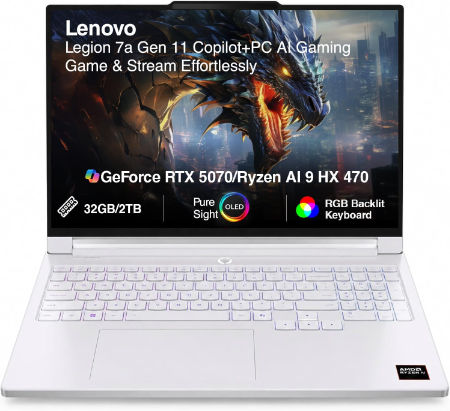
Lenovo Legion 7a 16 Ryzen AI 9 HX 470 RTX 5070 32GB 1TB 240Hz OLED |
|
|---|---|
 Check This On Amazon |
|
| CPU | AMD Ryzen AI 9 HX 470, 12 cores, up to 5.2 GHz, NPU up to 55 TOPS |
| GPU | NVIDIA GeForce RTX 5070 Laptop GPU, 8GB GDDR7 |
| Display Size | 16 inch, 16:10 |
| Display Resolution | 16 inch WQXGA OLED 2560 × 1600, 240Hz, 100% DCI P3, 500 nits typical, up to 1100 nits HDR peak, DisplayHDR True Black 1000, G SYNC |
| RAM | 32GB LPDDR5X soldered |
| Storage Space | 1TB PCIe 4.0 NVMe SSD; two M.2 slots available |
| Operating System | Windows 11 Home or Windows 11 Pro |
| Ports | 2 × USB A; 2 × USB C USB4 with DisplayPort 2.1; HDMI 2.1; card reader; 3.5 mm audio combo; Slim Tip power |
| Dimensions (L x W x H) | 14.23 × 10.01 × 0.61 to 0.67 inches |
| Weight | 3.97 lb (under 1.8 kg) |
| Pros | High end Ryzen AI processor and RTX 5070; 240Hz OLED gaming display; light for a 16 inch gaming laptop. |
| Cons | Soldered memory; expensive |
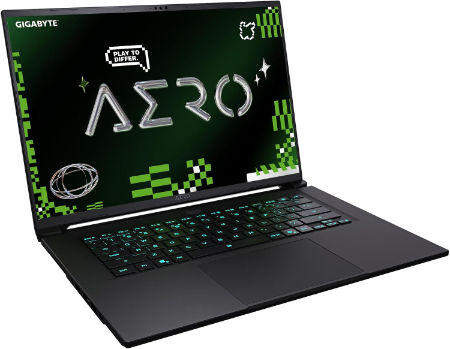
GIGABYTE AERO X16 Ryzen AI 9 465 RTX 5070 12GB 16 inch WQXGA 165Hz |
|
|---|---|
 Check This On Amazon |
|
| CPU | AMD Ryzen AI 9 465, 10 cores, 20 threads, up to 5.0 GHz |
| GPU | NVIDIA GeForce RTX 5070 Laptop GPU, 12GB GDDR7, up to 85W graphics power |
| Display Size | 16 inch, 16:10 |
| Display Resolution | WQXGA 2560 × 1600 IPS, 165Hz, 3ms, 100% sRGB, 500 nits typical, Pantone Validated |
| RAM | Up to 64GB DDR5 5600MHz, 2 SO DIMM slots |
| Storage Space | Up to 4TB PCIe NVMe SSD across 2 M.2 slots, one PCIe Gen4 x4 and one Gen4 x2 |
| Operating System | Windows 11 Home or Windows 11 Pro |
| Ports | USB4 Type C with DisplayPort 1.4 and Power Delivery 3.0, USB Type A 3.2 Gen 1, USB Type A 2.0, HDMI 2.1, RJ45 Ethernet, 3.5mm audio combo, DC in |
| Dimensions (L x W x H) | 9.87 × 13.98 × 0.66 to 0.79 inches (depth × width × height) |
| Weight | 4.19 lb |
| Pros | Light 16 inch chassis; accurate 165Hz display with full sRGB coverage; RTX graphics support gaming and GPU accelerated creative software; memory and SSD expansion. |
| Cons | battery life varies with GPU use. |
Best Budget Laptops for Civil 3D
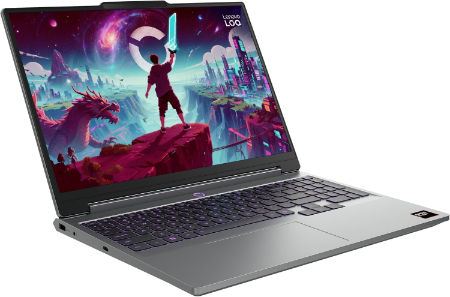
Lenovo LOQ 15AHP11 Ryzen 7 253 RTX 5050 16GB 512GB WUXGA 165Hz |
|
|---|---|
 Check This On Amazon |
|
| CPU | AMD Ryzen 7 253, 8 cores, up to 4.9 GHz, NPU up to 16 TOPS |
| GPU | NVIDIA GeForce RTX 5050 Laptop GPU, 8GB GDDR7, up to 115W |
| Display Size | 15.3 inch, 16:10 |
| Display Resolution | WUXGA 1920 × 1200 IPS, 165Hz, 300 nits, 100% sRGB, anti glare |
| RAM | 16GB DDR5 5600MHz, SO DIMM; upgradable to 32GB |
| Storage Space | 512GB PCIe 4.0 NVMe SSD; two M.2 slots |
| Operating System | Windows 11 Home or Windows 11 Pro |
| Ports | 3 × USB A; USB C USB4 with DisplayPort; HDMI 2.1; Gigabit Ethernet; 3.5 mm audio combo jack; Slim Tip power |
| Dimensions (L x W x H) | 13.58 × 10.03 × 0.82 to 0.92 inches |
| Weight | 4.6 lb (starting weight) |
| Pros | High refresh display; discrete RTX graphics; memory and storage upgrades are available; suitable for student gaming and creative work. |
| Cons | Entry tier GPU; chassis is bulky; base memory and SSD may need upgrading for demanding games. |
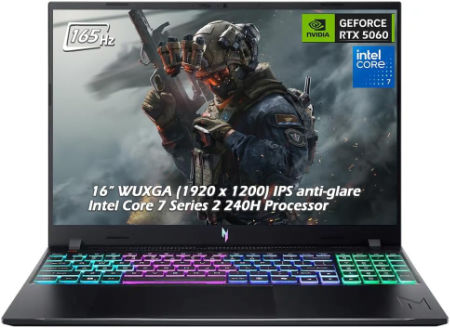
Acer Nitro V 16 AI 16 inches 2560 x 1600 Pixels, 16GB DDR5, 1TB PCIe Gen 4 SSD, Intel Core Ultra 7 356H, NVIDIA GeForce RTX 5060 Laptop GPU 8GB GDDR7 |
|
|---|---|
 Check This On Amazon |
|
| CPU | Intel Core Ultra 7 356H |
| GPU | NVIDIA GeForce RTX 5060 Laptop GPU 8GB GDDR7 |
| Display Size | 16 inches |
| Display Resolution | 2560 x 1600 Pixels; WQXGA IPS, up to 180Hz |
| RAM | 16GB DDR5 |
| Storage Space | 1TB PCIe Gen 4 SSD |
| Operating System | Windows 11 |
| Ports | USB-C, USB-A, HDMI 2.1, RJ45, audio combo jack |
| Dimensions (L x W x H) | 14.2 x 10.5 x 1.1 inches |
| Weight | 5.7 pounds |
| Pros | Dedicated RTX GPU; high refresh display; memory and SSD upgrade potential |
| Cons | Heavy; base 16GB RAM may limit professional workloads; fan noise under gaming |
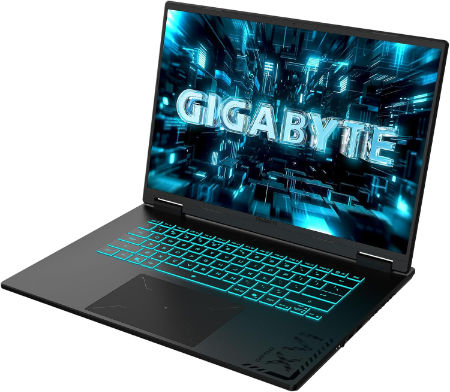
GIGABYTE GAMING A16 Ryzen 5 150 RTX 5050 16 inch WUXGA 165Hz |
|
|---|---|
 Check This On Amazon |
|
| CPU | AMD Ryzen 5 150, 6 cores, 12 threads, up to 4.55 GHz |
| GPU | NVIDIA GeForce RTX 5050 Laptop GPU, 8GB GDDR7 |
| Display Size | 16 inch, 16:10 |
| Display Resolution | WUXGA 1920 × 1200 IPS, 165Hz, 3ms, 45% sRGB, 300 nits typical |
| RAM | Up to 64GB DDR5 4800MHz, 2 SO DIMM slots |
| Storage Space | Up to 4TB PCIe NVMe SSD across 2 PCIe Gen4 x4 M.2 slots |
| Operating System | Windows 11 Home or Windows 11 Pro |
| Ports | HDMI 2.1, USB Type C with DisplayPort 1.4 and Power Delivery 3.0, USB Type A 3.2 Gen 1, USB Type A 2.0, RJ45 Ethernet, 3.5mm audio combo, DC in |
| Dimensions (L x W x H) | 10.33 × 14.11 × 0.77 to 0.90 inches (depth × width × height) |
| Weight | 4.85 lb (approximately 2.2 kg) |
| Pros | high refresh 16 inch display; memory and storage can be upgraded. |
| Cons | demanding games may need reduced settings. |
Best Laptops for Civil 3D Road Design, Corridors and BIM
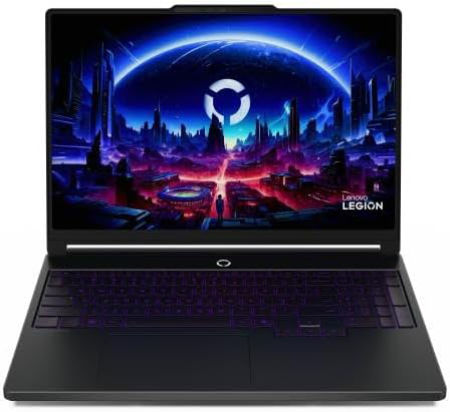
Lenovo Legion 5i 15 Ultra 9 386H RTX 5060 32GB 1TB 2.5K OLED |
|
|---|---|
 Check This On Amazon |
|
| CPU | Intel Core Ultra 9 386H, 16 cores, up to 4.9 GHz, NPU up to 50 TOPS |
| GPU | NVIDIA GeForce RTX 5060 Laptop GPU, 8GB GDDR7, up to 115W including Dynamic Boost |
| Display Size | 15.3 inch, 16:10 |
| Display Resolution | 15.3 inch WQXGA OLED 2560 × 1600, 165Hz, 100% DCI P3, 500 nits typical, up to 1000 nits HDR peak, DisplayHDR True Black 1000, G SYNC |
| RAM | 32GB DDR5 5600MHz, 2 × 16GB SO DIMMs; upgradeable |
| Storage Space | 1TB PCIe 4.0 NVMe SSD; two M.2 slots |
| Operating System | Windows 11 Home or Windows 11 Pro |
| Ports | 3 × USB A; 2 × USB C; HDMI 2.1; Gigabit Ethernet RJ45; 3.5 mm audio combo jack; power connector |
| Dimensions (L x W x H) | 13.54 × 9.63 × 0.75 to 0.79 inches |
| Weight | 4.12 lb (starting weight) |
| Pros | Better memory capacity for gaming and creative applications; high refresh OLED; replaceable memory and storage. |
| Cons | Heavy for daily commuting |
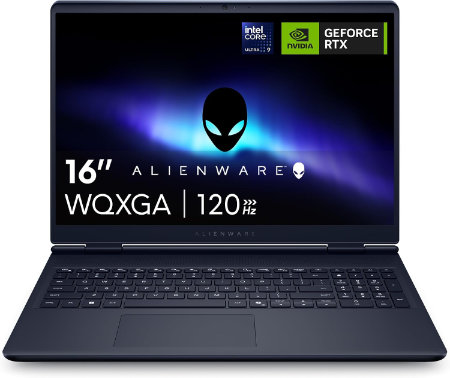
Dell Alienware 16X Aurora Ultra9 290HXPlus RTX5060 32GB 1TB OLED 240Hz |
|
|---|---|
 Check This On Amazon |
|
| CPU | Intel Core Ultra 9 290HX Plus, 24 cores, up to 5.5 GHz |
| GPU | NVIDIA GeForce RTX 5060 Laptop GPU, 8GB GDDR7 |
| Display Size | 16 inch, 16:10 |
| Display Resolution | 16 inch WQXGA 2560 × 1600 anti glare OLED, 240Hz, 120% DCI P3 color volume, 620 nits HDR, G SYNC |
| RAM | 32GB DDR5 5600 MT/s, 2 × 16GB |
| Storage Space | 1TB M.2 PCIe NVMe SSD |
| Operating System | Windows 11 Home |
| Ports | 2 × USB A 5Gbps; 1 × USB C 10Gbps with Power Delivery; 1 × Thunderbolt 4 with DisplayPort 2.1; HDMI 2.1; 1GbE RJ45; headset jack; power connector |
| Dimensions (L x W x H) | 14.05 × 10.45 × 0.92 inches at rear (width × depth × maximum rear height) |
| Weight | 5.66 lb starting weight |
| Pros | 240Hz OLED; 96Wh battery; RTX 50 Series graphics; socketed DDR5 memory and high speed NVMe storage options. NVIDIA GeForce RTX 5060 Laptop GPU, 8GB GDDR7 supports gaming and GPU accelerated creative applications. |
| Cons | 16GB base memory can be limiting for heavy applications. |
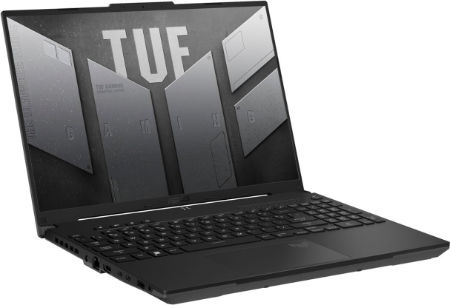
ASUS TUF Gaming A16 2026 AMD Ryzen 7 260 NVIDIA GeForce RTX 5070 Laptop GPU, 8GB GDDR7 |
|
|---|---|
 Check This On Amazon |
|
| CPU | AMD Ryzen 7 260 |
| GPU | NVIDIA GeForce RTX 5070 Laptop GPU, 8GB GDDR7 |
| Display Size | 16 inch IPS LCD |
| Display Resolution | 2560 × 1600, 165Hz |
| RAM | 32GB DDR5 SO DIMM |
| Storage Space | 1TB NVMe SSD |
| Operating System | Windows 11 Home |
| Ports | USB C with DisplayPort; USB A; HDMI 2.1; RJ45 Ethernet on 16 inch models; 3.5mm audio |
| Weight | 5.07 lb |
| Pros | High refresh display; replaceable storage and, on SO DIMM models, memory; discrete RTX graphics. |
| Cons | Fan noise and battery use increase under gaming load |
Best Laptops for Civil 3D Terrain Modelling and Point Clouds
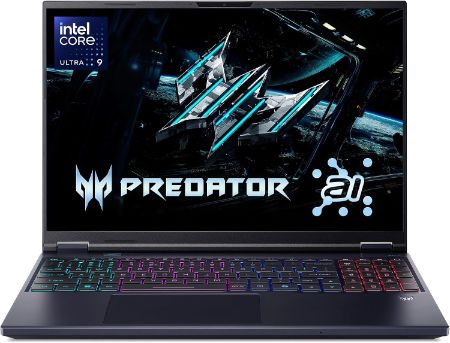
Acer Predator Helios Neo 16S AI 16 inches 2560 x 1600 Pixels, 32GB DDR5, 1TB PCIe Gen 4 SSD, Intel Core Ultra 9 386H, NVIDIA GeForce RTX 5070 Ti Laptop GPU 12GB GDDR7 |
|
|---|---|
 Check This On Amazon |
|
| CPU | Intel Core Ultra 9 386H |
| GPU | NVIDIA GeForce RTX 5070 Ti Laptop GPU 12GB GDDR7 |
| Display Size | 16 inches |
| Display Resolution | 2560 x 1600 Pixels; WQXGA OLED, 240Hz |
| RAM | 32GB DDR5 |
| Storage Space | 1TB PCIe Gen 4 SSD |
| Operating System | Windows 11 |
| Ports | Thunderbolt 4 USB-C, USB-A, HDMI 2.1, RJ45, audio combo jack |
| Dimensions (L x W x H) | 14.2 x 10.5 x 0.9 inches |
| Weight | 5.5 pounds |
| Pros | High refresh OLED; dedicated RTX graphics; suitable for gaming and creator tasks |
| Cons | Heavy; expensive; fan noise and heat under load |
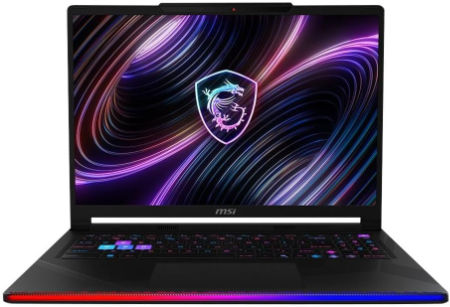
MSI Raider 16 HX 16 inches 240Hz IPS-Level 2560 x 1600 Pixels, 1TB Storage, 32GB RAM, Intel Core Ultra 7 255HX, NVIDIA GeForce RTX 5070 Ti Laptop GPU 12GB GDDR7 |
|
|---|---|
 Check This On Amazon |
|
| CPU | Intel Core Ultra 7 255HX |
| GPU | NVIDIA GeForce RTX 5070 Ti Laptop GPU 12GB GDDR7 |
| Display Size | 16 inches |
| Display Resolution | 2560 x 1600 Pixels |
| RAM | 32GB DDR5 RAM |
| Storage Space | 1TB NVMe SSD |
| Operating System | Windows 11 |
| Ports | Thunderbolt 4, USB Type A, HDMI 2.1, RJ45 Ethernet, SD Express reader, audio combo jack |
| Dimensions (L x W x H) | 14.1 x 10.6 x 1.1 inches |
| Weight | 6.2 pounds |
| Pros | Strong gaming performance; 240Hz display; upgradeable memory |
| Cons | Heavy; expensive; battery life is limited during gaming |
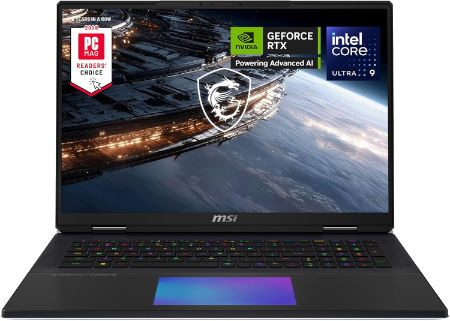
MSI Stealth 18 HX 18 inches 240Hz Mini LED 3840 x 2400 Pixels, 2TB Storage, 32GB RAM, Intel Core Ultra 9 290HX Plus, NVIDIA GeForce RTX 5080 Laptop GPU 16GB GDDR7 |
|
|---|---|
 Check This On Amazon |
|
| CPU | Intel Core Ultra 9 290HX Plus |
| GPU | NVIDIA GeForce RTX 5080 Laptop GPU 16GB GDDR7 |
| Display Size | 18 inches |
| Display Resolution | 3840 x 2400 Pixels |
| RAM | 32GB DDR5 RAM |
| Storage Space | 2TB NVMe SSD |
| Operating System | Windows 11 |
| Ports | Thunderbolt 4, USB Type A, HDMI 2.1, RJ45 Ethernet, SD card reader, audio combo jack |
| Dimensions (L x W x H) | 16.1 x 11.7 x 1.0 inches |
| Weight | 6.4 pounds |
| Pros | Large high resolution display; strong discrete GPU; high performance CPU; useful creator connectivity |
| Cons | Large chassis; costly; battery life drops under heavy GPU use |
Best High Performance Laptops for Large Civil 3D Projects
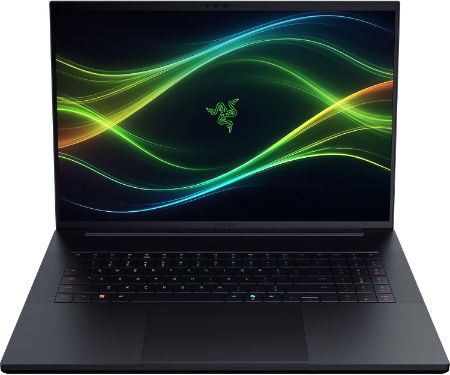
Razer Blade 18 2026 Core Ultra 9 290HX Plus RTX 5090 128GB 2TB Dual Mode |
|
|---|---|
 Check This On Amazon |
|
| CPU | Intel Core Ultra 9 290HX Plus, 24 cores, 24 threads, up to 5.5 GHz, integrated NPU up to 13 TOPS |
| GPU | NVIDIA GeForce RTX 5090 Laptop GPU, 24GB GDDR7, up to 175W TGP including Dynamic Boost |
| Display Size | 18 inches, 16:10 |
| Display Resolution | Dual mode IPS: UHD+ 3840 × 2400 at 240Hz or FHD+ 1920 × 1200 at 440Hz; 3ms, 600 nits, 100% DCI P3 |
| RAM | 128GB DDR5 6400MHz, 2 × 64GB SO DIMMs |
| Storage Space | 2TB PCIe 4.0 NVMe M.2 SSD; supports additional M.2 SSDs, with up to 8TB Gen4 plus up to 4TB Gen5 according to Razer support |
| Operating System | Windows 11 Home |
| Ports | 1 × Thunderbolt 5 USB C; 1 × Thunderbolt 4 USB C; 3 × USB A 3.2 Gen 2; HDMI 2.1; 2.5 Gb Ethernet; UHS II SD card reader; 3.5 mm headset combo jack; Kensington lock slot |
| Dimensions (L x W x H) | 15.74 × 10.84 × 0.86 to 1.10 inches (depth × width × height) |
| Weight | 7.06 lb (3.2 kg) |
| Pros | 128GB RAM supports unusually large datasets, local development environments and demanding production work; RTX 5090 with 24GB VRAM; 2TB SSD. |
| Cons | Very costly and heavy; full performance requires the large AC adapter. |
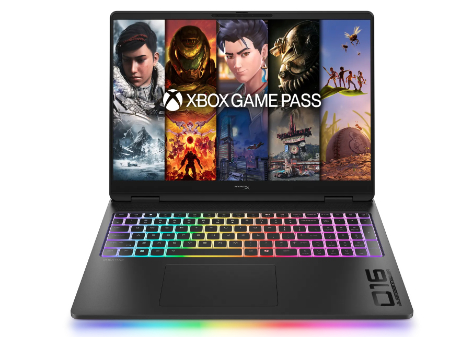
HP HyperX OMEN MAX 16 Intel Core Ultra 9 290HX Plus RTX 64GB 2TB 2026 |
|
|---|---|
 Check This On Amazon |
|
| CPU | Intel Core Ultra 9 290HX Plus, 24 cores, up to 5.5 GHz, NPU 13 TOPS |
| GPU | NVIDIA GeForce RTX 5090 Laptop GPU, 24GB GDDR7 |
| Display Size | 16 inch, 16:10 |
| Display Resolution | 16 inch 2.5K OLED 2560 × 1600, up to 240Hz, 0.2ms, 500 nits SDR, up to 1100 nits HDR, 100% DCI P3, VESA True Black HDR 1000 |
| RAM | 64GB DDR5 6400 MT/s, 2 × 32GB |
| Storage Space | 2TB PCIe Gen 5 NVMe SSD |
| Operating System | Windows 11 Home or Windows 11 Pro |
| Ports | 2 × USB Type A; 2 × USB Type C with high speed data and DisplayPort; HDMI 2.1; RJ45 Ethernet; headset combo; power connector |
| Dimensions (L x W x H) | Approx. 14.1 × 10.5 × 1.0 inches |
| Weight | Approx. 6.0 lb |
| Pros | High power gaming platform with fully internal cooling design; high refresh display; replaceable DDR5 memory and PCIe SSD options. |
| Cons | Heavy chassis and large power supply; battery runtime is limited under gaming |
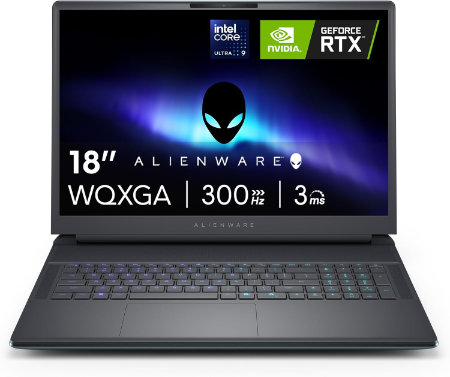
Dell Alienware 18 Area 51 Core Ultra 9 290HX Plus RTX5090 64GB 2TB WQXGA 300Hz |
|
|---|---|
 Check This On Amazon |
|
| CPU | Intel Core Ultra 9 290HX Plus, 24 cores, up to 5.5 GHz |
| GPU | NVIDIA GeForce RTX 5090 Laptop GPU, 24GB GDDR7 |
| Display Size | 18 inch, 16:10 |
| Display Resolution | 18 inch WQXGA 2560 × 1600, 300Hz, 500 nits, 100% DCI P3, Advanced Optimus, ComfortView Plus and G SYNC |
| RAM | 64GB DDR5 6400 MT/s, 2 × 32GB CSoDIMM |
| Storage Space | 2TB M.2 2280 PCIe Gen 5 SSD |
| Operating System | Windows 11 Home or Windows 11 Pro |
| Ports | USB A 3.2 Gen 1; USB C Thunderbolt ports depending on GPU tier; HDMI 2.1; SD card reader; global headset jack; RJ45 Ethernet |
| Dimensions (L x W x H) | 16.14 × 12.59 × 0.95 inches at front (width × depth × front height) |
| Weight | 9.56 lb maximum system weight |
| Pros | Very large 300Hz screen; flagship RTX 50 Series GPU options; 96Wh battery; replaceable DDR5 memory and multiple SSD options. |
| Cons | 9.56 lb maximum laptop weight plus a 2.20 lb power adapter; large desk focused chassis; battery life is short during gaming. Consider a RAM upgrade for demanding video work or large local development environments. |
Best Portable Laptops for Civil 3D and Field Engineering
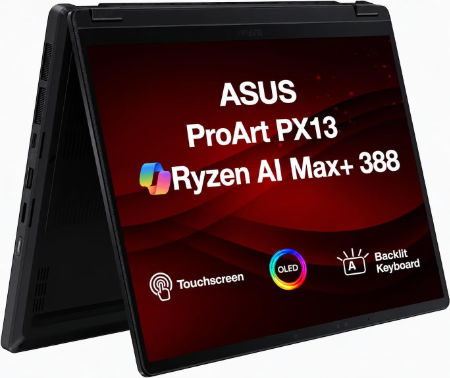
ASUS ProArt PX13 2026 AMD Ryzen AI 9 HX 370 NVIDIA GeForce RTX 5070 Laptop GPU, 8GB GDDR7 |
|
|---|---|
 Check This On Amazon |
|
| CPU | AMD Ryzen AI 9 HX 370 |
| GPU | NVIDIA GeForce RTX 5070 Laptop GPU, 8GB GDDR7 |
| Display Size | 13.3 inch convertible OLED touchscreen |
| Display Resolution | 2880 × 1800, 120Hz |
| RAM | 32GB LPDDR5X onboard |
| Storage Space | 1TB NVMe SSD |
| Operating System | Windows 11 Home or Pro |
| Ports | USB4 Type C; USB C; USB A; HDMI 2.1; microSD card reader; 3.5mm audio |
| Pros | Portable convertible design; OLED touchscreen; discrete graphics for mobile creative work. |
| Cons | |
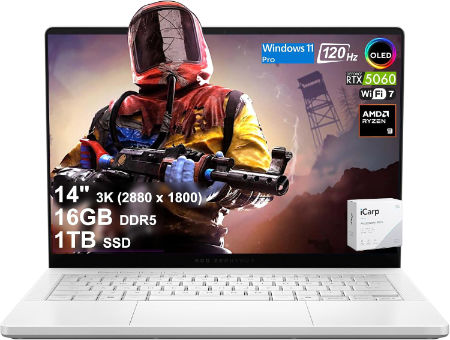
ASUS ROG Zephyrus G14 2026 AMD Ryzen AI 9 HX 475 NVIDIA GeForce RTX 5070 Ti Laptop GPU, 12GB GDDR7 |
|
|---|---|
 Check This On Amazon |
|
| CPU | AMD Ryzen AI 9 HX 475 |
| GPU | NVIDIA GeForce RTX 5070 Ti Laptop GPU, 12GB GDDR7 |
| Display Size | 14 inch OLED |
| Display Resolution | 2880 × 1800, 120Hz |
| RAM | 32GB LPDDR5X onboard |
| Storage Space | 1TB NVMe SSD |
| Operating System | Windows 11 Home |
| Ports | USB4 Type C; USB C; USB A; HDMI 2.1; microSD; 3.5mm audio |
| Pros | Compact OLED gaming laptop; discrete RTX graphics; portable form factor. |
| Cons | Memory is onboard |
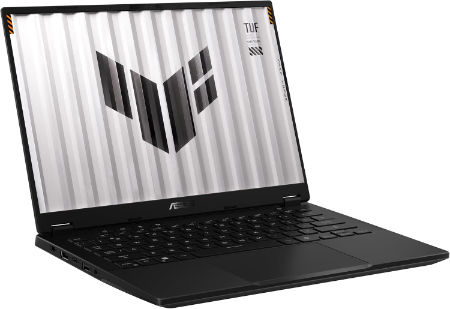
ASUS TUF Gaming A14 2026 AMD Ryzen AI 9 465 NVIDIA GeForce RTX 5060 Laptop GPU, 8GB GDDR7 |
|
|---|---|
 Check This On Amazon |
|
| CPU | AMD Ryzen AI 9 465 |
| GPU | NVIDIA GeForce RTX 5060 Laptop GPU, 8GB GDDR7 |
| Display Size | 14 inch IPS LCD |
| Display Resolution | 2560 × 1600, 165Hz |
| RAM | 32GB LPDDR5X onboard |
| Storage Space | 1TB NVMe SSD |
| Operating System | Windows 11 Home |
| Ports | USB C with DisplayPort; USB A; HDMI 2.1; RJ45 Ethernet on 16 inch models; 3.5mm audio |
| Pros | High refresh display; replaceable storage and, on SO DIMM models, memory; discrete RTX graphics. |
| Cons | Fan noise and battery use increase under gaming load |


