

DaVinci Resolve, is the best video editing software in the market today, and its totally free.
For that reason, we’ll look at the best laptops for DaVinci Resolve. Having a smooth process is crucial in your workflow. What makes that possible is the hardware and software.
Criteria used for Best DaVinci Resolve Laptops recommendations include: First, you should get an Intel Core i7 (or equivalent).
This will improve your export and render times in addition to allowing you to use special effects plugins.
An intel Core i5 of the latest generation as a low cost option or equivalent is also recommended.
When it comes to RAM, you should get a laptop with a minimum of 8GB RAM. This helps you import videos to the timeline quickly. Eventually, you’ll work with larger video sizes and quality. This will require you to have at least 16GB of RAM.
To run Blackmagic DaVinci Resolve smoothly, you need 4GB of VRAM. This GPU, helps in acceleration of the encoding and transcoding, rendering and exporting. This program takes advantage of the GPU to enhance the performance further.
Storage wise, an SSD is highly recommended. At least 1TB. However, since they are expensive, normally, most filmmakers have both an SSD and HDD. Take note that the HDD should be at least 7200RPM.
The display of the laptop you use is also important in video editing process. You should buy a laptop with a color accurate display for color grading and correction. Other factors taken into account include; design, portability, battery life and keyboard quality.
These suggestions for DaVinci Resolve laptops, meet the above criteria for professional grade video editing.
So whether you are a vlogger or filmmaker, these laptops ensure that your hardware is not the limit when using DR.
DaVinci Resolve is a high-performance, all-in-one post-production suite trusted by professional colorists, video editors, VFX artists, and audio engineers. DaVinci Resolve demands a laptop that can shoulder the full creative workload of crafting cinematic visuals, cutting timelines with precision, grading with HDR scopes, or compositing in Fusion.
We’ve crafted this guide specifically for the person who expects seamless playback on high-resolution timelines, fast GPU-accelerated rendering, and accurate color grading performance. Whether you’re editing short films, commercial content, YouTube videos, or cinematic features, you need performance, color accuracy, and I/O speed all in one mobile workstation.
If you’re using GPU-heavy features like Magic Mask, Neural Engine, or real-time noise reduction, you’ve likely hit system bottlenecks.
DaVinci Resolve is fundamentally GPU-driven—its performance scales with the power of your graphics card. Unlike many NLEs, it offloads everything from playback to effects to GPU memory. That’s why this guide focuses on graphics performance first, supported by fast CPUs, memory bandwidth, and display fidelity.
Let’s walk through the key criteria that drive real Resolve performance:
GPU (Graphics Card) is the single most critical factor. We recommend laptops with NVIDIA RTX 4070, 4080, or 4090 GPUs—with at least 8GB of dedicated VRAM, but preferably 12GB or more. These GPUs unlock real-time 4K editing, GPU-accelerated color correction, and rapid delivery render speeds. Apple’s M3/M4 Max and M2 Max chips offer phenomenal GPU performance and unified memory architecture for Mac-based Resolve users.
CPU (Processor) still plays a vital role in timeline responsiveness, encoding, and Fusion workflows. You’ll want Intel Core i7/i9 (13th or 14th Gen H/X-series) or AMD Ryzen 9 (7000/8000 HX) for Windows, or Apple M3 Pro/Max for macOS. Multi-core power helps with background caching and complex node structures in Fusion.
RAM (Memory) is crucial for smooth playback and multitasking—especially with high-resolution footage or multiple stacked nodes. 32GB of DDR5 RAM is our standard recommendation for Resolve users. 64GB is ideal if you work with RAW files, 8K footage, or heavy Fusion composites.
Storage directly affects load times, render cache speeds, and media management. We recommend a 1TB or larger PCIe Gen 4 NVMe SSD—and many creatives use a secondary high-speed SSD or external Thunderbolt drive for media storage and project files.
Display quality defines your grading accuracy. You should expect a QHD+ or 4K display, ideally factory calibrated, with 100% DCI-P3 or AdobeRGB coverage. Look for HDR support (Dolby Vision or HDR10) if you’re working on high dynamic range content. Mini LED or OLED panels offer deep contrast ratios for grading clarity.
Thermal Efficiency becomes critical during long renders or GPU-heavy sessions. We assess laptops with advanced cooling solutions—vapor chambers, dual fans, or intelligent heat zoning, which prevent throttling and preserve render speed over time.
Ports & Expansion are part of a Resolve workflow. You’ll likely use external monitors, SSDs, audio interfaces, and control surfaces like the DaVinci Speed Editor. That’s why we look for laptops with Thunderbolt 4, USB-C with DisplayPort, HDMI 2.1, SD card slots, and UHS-II compatibility. Fast port speed = real-time productivity.
These aren’t theoretical specs—they align with DaVinci Resolve’s architecture. For instance, Magic Mask and Smart Reframe tap directly into GPU memory, and noise reduction scales across CUDA cores. A weak GPU means wait times. A poor display means guesswork. A slow SSD means timeline delays. Everything needs to be in sync.
This guide brings together top-tier options for colorists, video editors, indie filmmakers, YouTubers, and VFX artists. Whether you’re working in Resolve Studio or the free edition, these laptops deliver fluid playback, fast renders, and color-critical precision in a mobile form factor.
So if you’re ready to move past bottlenecks, boost your render pipeline, and achieve color accuracy you can trust—we’ve lined up laptops that let DaVinci Resolve perform at its absolute best.
You can also take a look at the best laptops for Video Editing in addition to the best laptops for Adobe Premiere Pro CC.
These are the Best 2026 Laptops for DaVinci Resolve:
Contents
- ASUS ProArt P16 2026 AMD Ryzen AI 9 HX 475 NVIDIA GeForce RTX 5090 Laptop GPU, 24GB GDDR7
- MSI Stealth 18 HX 18 inches 240Hz Mini LED 3840 x 2400 Pixels, 2TB Storage, 32GB RAM, Intel Core Ultra 9 290HX Plus, NVIDIA GeForce RTX 5080 Laptop GPU 16GB GDDR7
- Apple MacBook Pro M5 Max 16.2 inches 3456 x 2234 Pixels, 128GB unified memory, 4TB SSD, Apple M5 Max 18-core CPU, 40-core GPU
- Acer Nitro V 16S AI 16 inches 2560 x 1600 Pixels, 32GB DDR5, 1TB PCIe Gen 4 SSD, Intel Core Ultra 7 356H, NVIDIA GeForce RTX 5070 Laptop GPU 8GB GDDR7
- GIGABYTE GAMING A16 Ryzen 7 260 RTX 5070 16 inch WUXGA 165Hz
- Lenovo Legion 7a 16 Ryzen AI 7 450 RTX 5060 32GB 1TB 240Hz OLED
- MSI Titan 18 HX 18 inches 240Hz Mini LED 3840 x 2400 Pixels, 4TB Storage, 64GB RAM, Intel Core Ultra 9 290HX Plus, NVIDIA GeForce RTX 5090 Laptop GPU 24GB GDDR7
- MSI Raider 16 Max HX 16 inches 240Hz OLED 2560 x 1600 Pixels, 2TB Storage, 64GB RAM, Intel Core Ultra 9 290HX Plus, NVIDIA GeForce RTX 5090 Laptop GPU 24GB GDDR7
- ASUS ProArt P16 2026 AMD Ryzen AI 9 HX 475 NVIDIA GeForce RTX 5080 Laptop GPU, 16GB GDDR7
- Apple MacBook Pro M5 Max 16.2 inches 3456 x 2234 Pixels, 64GB unified memory, 4TB SSD, Apple M5 Max 18-core CPU, 32-core GPU
- ASUS ProArt P16 2026 AMD Ryzen AI 9 HX 475 NVIDIA GeForce RTX 5070 Laptop GPU, 8GB GDDR7
- Apple MacBook Pro M5 Pro 14.2 inches 3024 x 1964 Pixels, 64GB unified memory, 4TB SSD, Apple M5 Pro 18-core CPU, 20-core GPU
- HP HyperX OMEN MAX 16 Intel Core Ultra 9 290HX Plus RTX 64GB 2TB 2026
- AORUS MASTER 18 Core Ultra 9 275HX RTX 5090 18 inch Mini LED 240Hz
- AORUS MASTER 16 GEN 2 Ryzen 9 9955HX3D RTX 5090 16 inch 2.5K OLED 240Hz
- ASUS ROG Zephyrus G16 2026 Intel Core Ultra 9 386H NVIDIA GeForce RTX 5080 Laptop GPU, 16GB GDDR7
- ASUS ROG Zephyrus G14 2026 AMD Ryzen AI 9 HX 475 NVIDIA GeForce RTX 5070 Ti Laptop GPU, 12GB GDDR7
- ASUS ProArt PX13 2026 AMD Ryzen AI 9 HX 370 NVIDIA GeForce RTX 5070 Laptop GPU, 8GB GDDR7
Best Overall Laptops for DaVinci Resolve
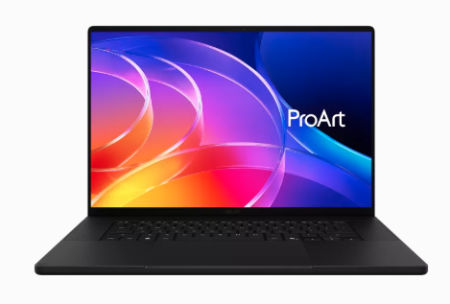
ASUS ProArt P16 2026 AMD Ryzen AI 9 HX 475 NVIDIA GeForce RTX 5090 Laptop GPU, 24GB GDDR7 |
|
|---|---|
 Check This On Amazon |
|
| CPU | AMD Ryzen AI 9 HX 475 |
| GPU | NVIDIA GeForce RTX 5090 Laptop GPU, 24GB GDDR7 |
| Display Size | 16 inch OLED touchscreen |
| Display Resolution | 3840 × 2400, 120Hz |
| RAM | 64GB LPDDR5X onboard |
| Storage Space | 2TB NVMe SSD |
| Operating System | Windows 11 Home or Pro |
| Ports | USB4 Type C; USB C; USB A; HDMI 2.1; SD Express card reader; 3.5mm audio |
| Pros | 4K OLED with wide color gamut; dedicated RTX graphics; SD card reader for creative media. |
| Cons | high end RTX configurations increase price and power use. |
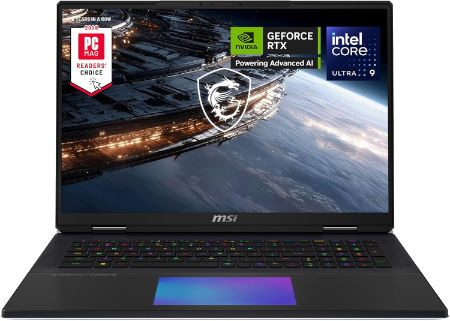
MSI Stealth 18 HX 18 inches 240Hz Mini LED 3840 x 2400 Pixels, 2TB Storage, 32GB RAM, Intel Core Ultra 9 290HX Plus, NVIDIA GeForce RTX 5080 Laptop GPU 16GB GDDR7 |
|
|---|---|
 Check This On Amazon |
|
| CPU | Intel Core Ultra 9 290HX Plus |
| GPU | NVIDIA GeForce RTX 5080 Laptop GPU 16GB GDDR7 |
| Display Size | 18 inches |
| Display Resolution | 3840 x 2400 Pixels |
| RAM | 32GB DDR5 RAM |
| Storage Space | 2TB NVMe SSD |
| Operating System | Windows 11 |
| Ports | Thunderbolt 4, USB Type A, HDMI 2.1, RJ45 Ethernet, SD card reader, audio combo jack |
| Dimensions (L x W x H) | 16.1 x 11.7 x 1.0 inches |
| Weight | 6.4 pounds |
| Pros | Large high resolution display; strong discrete GPU; high performance CPU; useful creator connectivity |
| Cons | Large chassis; costly; battery life drops under heavy GPU use |
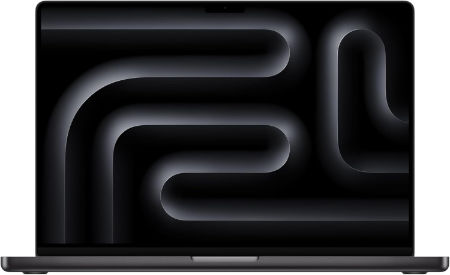
Apple MacBook Pro M5 Max 16.2 inches 3456 x 2234 Pixels, 128GB unified memory, 4TB SSD, Apple M5 Max 18-core CPU, 40-core GPU |
|
|---|---|
 Check This On Amazon |
|
| CPU | Apple M5 Max, 18-core CPU |
| GPU | 40-core GPU |
| Display Size | 16.2 inches |
| Display Resolution | 3456 x 2234 Pixels; Liquid Retina XDR, mini-LED, ProMotion up to 120Hz |
| RAM | 128GB unified memory |
| Storage Space | 4TB SSD |
| Operating System | macOS |
| Ports | 3 x Thunderbolt 5 USB-C, HDMI, SDXC card slot, MagSafe 3, 3.5mm headphone jack |
| Dimensions (L x W x H) | 14.01 x 9.77 x 0.66 inches |
| Weight | 4.7 pounds |
| Pros | Very strong GPU compute; large unified memory options; XDR HDR display; Thunderbolt 5 and full-size ports |
| Cons | Very expensive; memory cannot be upgraded; high power use under heavy workloads; heavier than Air |
Best Value Laptops for DaVinci Resolve
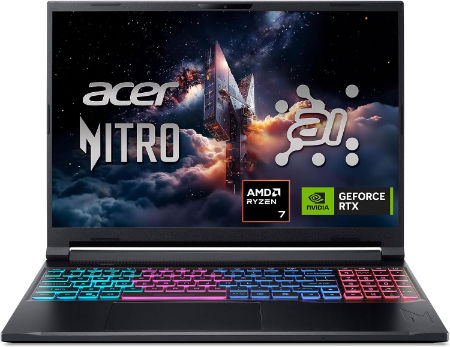
Acer Nitro V 16S AI 16 inches 2560 x 1600 Pixels, 32GB DDR5, 1TB PCIe Gen 4 SSD, Intel Core Ultra 7 356H, NVIDIA GeForce RTX 5070 Laptop GPU 8GB GDDR7 |
|
|---|---|
 Check This On Amazon |
|
| CPU | Intel Core Ultra 7 356H |
| GPU | NVIDIA GeForce RTX 5070 Laptop GPU 8GB GDDR7 |
| Display Size | 16 inches |
| Display Resolution | 2560 x 1600 Pixels; WQXGA IPS, up to 180Hz |
| RAM | 32GB DDR5 |
| Storage Space | 1TB PCIe Gen 4 SSD |
| Operating System | Windows 11 |
| Ports | USB-C, USB-A, HDMI 2.1, RJ45, audio combo jack |
| Dimensions (L x W x H) | 14.1 x 10.0 x 0.9 inches |
| Weight | 5.2 pounds |
| Pros | Slimmer gaming design; high refresh WQXGA; RTX GPU; 32GB memory |
| Cons | Slim chassis can limit sustained cooling; heavier than productivity laptops |
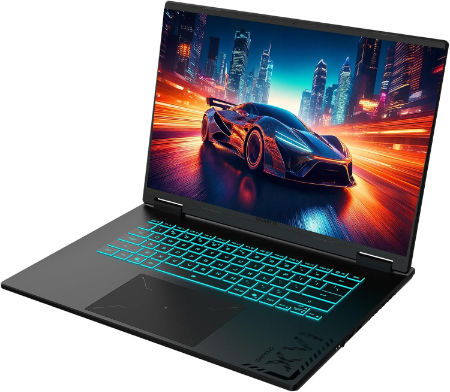
GIGABYTE GAMING A16 Ryzen 7 260 RTX 5070 16 inch WUXGA 165Hz |
|
|---|---|
 Check This On Amazon |
|
| CPU | AMD Ryzen 7 260, 8 cores, 16 threads, up to 5.1 GHz |
| GPU | NVIDIA GeForce RTX 5070 Laptop GPU, 8GB GDDR7 |
| Display Size | 16 inch, 16:10 |
| Display Resolution | WUXGA 1920 × 1200 IPS, 165Hz, 300 nits typical |
| RAM | Up to 64GB DDR5 5600MHz, 2 SO DIMM slots |
| Storage Space | Up to 4TB PCIe NVMe SSD, one PCIe Gen4 x4 and one Gen4 x2 M.2 slot |
| Operating System | Windows 11 Home or Windows 11 Pro |
| Ports | USB4 Type C with DisplayPort 1.4 and Power Delivery 3.0, USB Type A 3.2 Gen 1, USB Type A 2.0, HDMI 2.1, RJ45 Ethernet, 3.5mm audio combo, DC in |
| Dimensions (L x W x H) | 10.33 × 14.11 × 0.77 to 0.90 inches (depth × width × height) |
| Weight | 4.85 lb (approximately 2.2 kg) |
| Pros | High refresh display; RTX 5070 graphics; upgradeable memory and dual M.2 storage options. |
| Cons | Lower resolution and narrower color coverage than the WQXGA display option; battery life is limited under use |
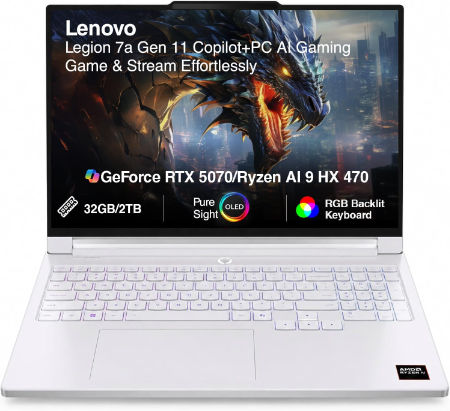
Lenovo Legion 7a 16 Ryzen AI 7 450 RTX 5060 32GB 1TB 240Hz OLED |
|
|---|---|
 Check This On Amazon |
|
| CPU | AMD Ryzen AI 7 450, 8 cores, up to 5.1 GHz, NPU up to 50 TOPS |
| GPU | NVIDIA GeForce RTX 5060 Laptop GPU, 8GB GDDR7 |
| Display Size | 16 inch, 16:10 |
| Display Resolution | 16 inch WQXGA OLED 2560 × 1600, 240Hz, 100% DCI P3, 500 nits typical, up to 1100 nits HDR peak, DisplayHDR True Black 1000, G SYNC |
| RAM | 32GB LPDDR5X soldered |
| Storage Space | 1TB PCIe 4.0 NVMe SSD; two M.2 slots available |
| Operating System | Windows 11 Home or Windows 11 Pro |
| Ports | 2 × USB A; 2 × USB C USB4 with DisplayPort 2.1; HDMI 2.1; card reader; 3.5 mm audio combo; Slim Tip power |
| Dimensions (L x W x H) | 14.23 × 10.01 × 0.61 to 0.67 inches |
| Weight | 3.97 lb (under 1.8 kg) |
| Pros | Lightweight 16 inch gaming design; fast 240Hz OLED; RTX graphics and Ryzen AI platform; strong portable performance. |
| Cons | Soldered memory; battery life drops sharply under gaming |
Best Laptops for 4K Video Editing in DaVinci Resolve
MSI Titan 18 HX 18 inches 240Hz Mini LED 3840 x 2400 Pixels, 4TB Storage, 64GB RAM, Intel Core Ultra 9 290HX Plus, NVIDIA GeForce RTX 5090 Laptop GPU 24GB GDDR7 |
|
|---|---|
Check This On Amazon |
|
| CPU | Intel Core Ultra 9 290HX Plus |
| GPU | NVIDIA GeForce RTX 5090 Laptop GPU 24GB GDDR7 |
| Display Size | 18 inches |
| Display Resolution | 3840 x 2400 Pixels |
| RAM | 64GB DDR5 RAM |
| Storage Space | 4TB NVMe SSD |
| Operating System | Windows 11 |
| Ports | Thunderbolt 4, USB Type A, HDMI 2.1, RJ45 Ethernet, SD card reader, audio combo jack |
| Dimensions (L x W x H) | 16.1 x 12.0 x 1.3 inches |
| Weight | 7.9 pounds |
| Pros | Flagship GPU; 4K high refresh Mini LED; large screen; excellent for demanding gaming and rendering |
| Cons | Very heavy; expensive; large power adapter; limited portability |
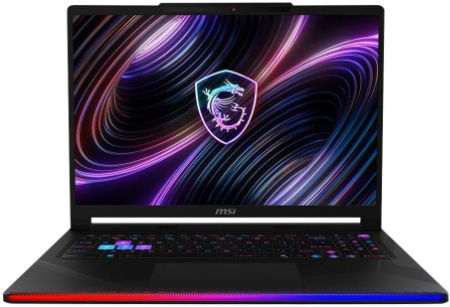
MSI Raider 16 Max HX 16 inches 240Hz OLED 2560 x 1600 Pixels, 2TB Storage, 64GB RAM, Intel Core Ultra 9 290HX Plus, NVIDIA GeForce RTX 5090 Laptop GPU 24GB GDDR7 |
|
|---|---|
 Check This On Amazon |
|
| CPU | Intel Core Ultra 9 290HX Plus |
| GPU | NVIDIA GeForce RTX 5090 Laptop GPU 24GB GDDR7 |
| Display Size | 16 inches |
| Display Resolution | 2560 x 1600 Pixels |
| RAM | 64GB DDR5 RAM |
| Storage Space | 2TB NVMe SSD |
| Operating System | Windows 11 |
| Ports | Thunderbolt 4, USB Type A, HDMI 2.1, RJ45 Ethernet, SD card reader, audio combo jack |
| Dimensions (L x W x H) | 14.1 x 10.6 x 1.1 inches |
| Weight | 6.2 pounds |
| Pros | Top tier gaming GPU; high refresh OLED; strong CPU performance; upgradeable memory and storage |
| Cons | Expensive; heavy; high power draw; fans can become audible under sustained load |
ASUS ProArt P16 2026 AMD Ryzen AI 9 HX 475 NVIDIA GeForce RTX 5080 Laptop GPU, 16GB GDDR7 |
|
|---|---|
Check This On Amazon |
|
| CPU | AMD Ryzen AI 9 HX 475 |
| GPU | NVIDIA GeForce RTX 5080 Laptop GPU, 16GB GDDR7 |
| Display Size | 16 inch OLED touchscreen |
| Display Resolution | 3840 × 2400, 120Hz |
| RAM | 64GB LPDDR5X onboard |
| Storage Space | 2TB NVMe SSD |
| Operating System | Windows 11 Home or Pro |
| Ports | USB4 Type C; USB C; USB A; HDMI 2.1; SD Express card reader; 3.5mm audio |
| Pros | 4K OLED with wide color gamut; dedicated RTX graphics; SD card reader for creative media. |
| Cons | |
Best Laptops for Colour Grading and HDR Video Editing
Apple MacBook Pro M5 Max 16.2 inches 3456 x 2234 Pixels, 64GB unified memory, 4TB SSD, Apple M5 Max 18-core CPU, 32-core GPU |
|
|---|---|
Check This On Amazon |
|
| CPU | Apple M5 Max, 18-core CPU |
| GPU | 32-core GPU |
| Display Size | 16.2 inches |
| Display Resolution | 3456 x 2234 Pixels; Liquid Retina XDR, mini-LED, ProMotion up to 120Hz |
| RAM | 64GB unified memory |
| Storage Space | 4TB SSD |
| Operating System | macOS |
| Ports | 3 x Thunderbolt 5 USB-C, HDMI, SDXC card slot, MagSafe 3, 3.5mm headphone jack |
| Dimensions (L x W x H) | 14.01 x 9.77 x 0.66 inches |
| Weight | 4.7 pounds |
| Pros | Very strong GPU compute; large unified memory options; XDR HDR display; Thunderbolt 5 and full-size ports |
| Cons | |
ASUS ProArt P16 2026 AMD Ryzen AI 9 HX 475 NVIDIA GeForce RTX 5070 Laptop GPU, 8GB GDDR7 |
|
|---|---|
Check This On Amazon |
|
| CPU | AMD Ryzen AI 9 HX 475 |
| GPU | NVIDIA GeForce RTX 5070 Laptop GPU, 8GB GDDR7 |
| Display Size | 16 inch OLED touchscreen |
| Display Resolution | 3840 × 2400, 120Hz |
| RAM | 32GB LPDDR5X onboard |
| Storage Space | 1TB NVMe SSD |
| Operating System | Windows 11 Home or Pro |
| Ports | USB4 Type C; USB C; USB A; HDMI 2.1; SD Express card reader; 3.5mm audio |
| Pros | 4K OLED with wide color gamut; dedicated RTX graphics; SD card reader for creative media. |
| Cons | Memory is onboard; high end RTX configurations increase price and power use. |
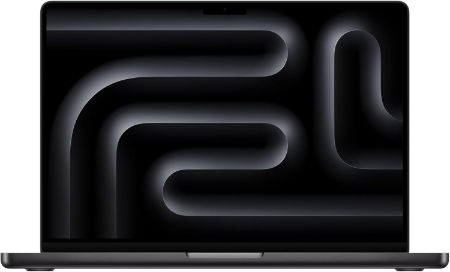
Apple MacBook Pro M5 Pro 14.2 inches 3024 x 1964 Pixels, 64GB unified memory, 4TB SSD, Apple M5 Pro 18-core CPU, 20-core GPU |
|
|---|---|
 Check This On Amazon |
|
| CPU | Apple M5 Pro, 18-core CPU |
| GPU | 20-core GPU |
| Display Size | 14.2 inches |
| Display Resolution | 3024 x 1964 Pixels; Liquid Retina XDR, mini-LED, ProMotion up to 120Hz |
| RAM | 64GB unified memory |
| Storage Space | 4TB SSD |
| Operating System | macOS |
| Ports | 3 x Thunderbolt 5 USB-C, HDMI, SDXC card slot, MagSafe 3, 3.5mm headphone jack |
| Dimensions (L x W x H) | 12.31 x 8.71 x 0.61 inches |
| Weight | 3.5 pounds |
| Pros | High sustained performance; HDR XDR display; ProMotion; Thunderbolt 5; HDMI and SDXC |
| Cons | |
Best Laptops for Fusion, Visual Effects and AI Tools
HP HyperX OMEN MAX 16 Intel Core Ultra 9 290HX Plus RTX 64GB 2TB 2026 |
|
|---|---|
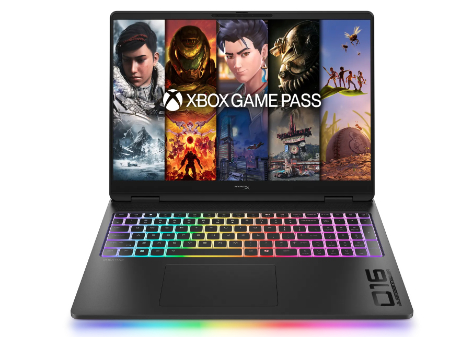 Check This On Amazon |
|
| CPU | Intel Core Ultra 9 290HX Plus, 24 cores, up to 5.5 GHz, NPU 13 TOPS |
| GPU | NVIDIA GeForce RTX 5090 Laptop GPU, 24GB GDDR7 |
| Display Size | 16 inch, 16:10 |
| Display Resolution | 16 inch 2.5K OLED 2560 × 1600, up to 240Hz, 0.2ms, 500 nits SDR, up to 1100 nits HDR, 100% DCI P3, VESA True Black HDR 1000 |
| RAM | 64GB DDR5 6400 MT/s, 2 × 32GB |
| Storage Space | 2TB PCIe Gen 5 NVMe SSD |
| Operating System | Windows 11 Home or Windows 11 Pro |
| Ports | 2 × USB Type A; 2 × USB Type C with high speed data and DisplayPort; HDMI 2.1; RJ45 Ethernet; headset combo; power connector |
| Dimensions (L x W x H) | Approx. 14.1 × 10.5 × 1.0 inches |
| Weight | Approx. 6.0 lb |
| Pros | High power gaming platform with fully internal cooling design; high refresh display; replaceable DDR5 memory and PCIe SSD options. |
| Cons | Heavy chassis and large power supply; battery runtime is limited under gaming |
AORUS MASTER 18 Core Ultra 9 275HX RTX 5090 18 inch Mini LED 240Hz |
|
|---|---|
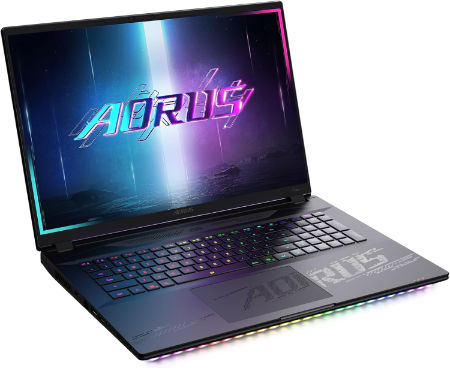 Check This On Amazon |
|
| CPU | Intel Core Ultra 9 275HX, 24 cores, 24 threads, up to 5.4 GHz |
| GPU | NVIDIA GeForce RTX 5090 Laptop GPU, 24GB GDDR7, up to 175W with Dynamic Boost |
| Display Size | 18 inch, 16:10 |
| Display Resolution | WQXGA 2560 × 1600 Mini LED, 240Hz, 3ms, 100% DCI P3, up to 1200 nits, 2304 local dimming zones, DisplayHDR 1000 |
| RAM | Up to 128GB DDR5, 4 SO DIMM slots |
| Storage Space | Up to 6TB PCIe NVMe SSD across one PCIe Gen5 M.2 slot and two PCIe Gen4 x4 M.2 slots, RAID 0 support |
| Operating System | Windows 11 Home or Windows 11 Pro |
| Ports | Thunderbolt 5 Type C with USB4, DisplayPort 2.1 and Power Delivery 3.0, Thunderbolt 4 Type C with USB4, DisplayPort 1.4 and Power Delivery 3.0, HDMI 2.1, USB Type A 3.2 Gen 2, full size SD UHS II, RJ45 2.5Gb Ethernet, 3.5mm audio combo, DC in |
| Dimensions (L x W x H) | 11.30 × 15.78 × 1.00 to 1.22 inches (depth × width × height) |
| Weight | 7.72 lb (approximately 3.5 kg) |
| Pros | Very large bright Mini LED display; RTX 5090 performance; extensive memory and SSD expansion; premium port selection. |
| Cons | Heavy and bulky; large 400W adapter; likely best for desk based use rather than frequent travel. |
AORUS MASTER 16 GEN 2 Ryzen 9 9955HX3D RTX 5090 16 inch 2.5K OLED 240Hz |
|
|---|---|
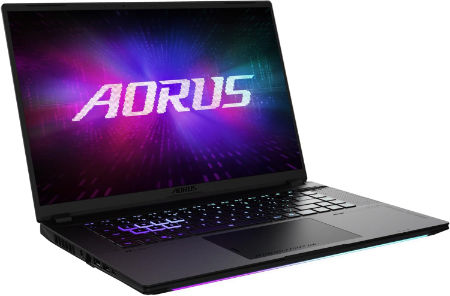 Check This On Amazon |
|
| CPU | AMD Ryzen 9 9955HX3D, 16 cores, 32 threads, up to 5.4 GHz, 128MB L3 cache |
| GPU | NVIDIA GeForce RTX 5090 Laptop GPU, 24GB GDDR7, up to 175W with Dynamic Boost |
| Display Size | 16 inch, 16:10 |
| Display Resolution | WQXGA 2560 × 1600 OLED, 240Hz, 0.2ms, 100% DCI P3, up to 1000 nits peak, DisplayHDR True Black 1000 |
| RAM | Up to 64GB DDR5 5600MHz, 2 SO DIMM slots |
| Storage Space | Up to 4TB PCIe NVMe SSD, one PCIe Gen5 M.2 slot and one PCIe Gen4 x4 M.2 slot |
| Operating System | Windows 11 Home or Windows 11 Pro |
| Ports | HDMI 2.1, RJ45 Ethernet, USB Type A 3.2 Gen 2, USB4 Type C with DisplayPort 1.4 and Power Delivery 3.0, USB Type C 3.2 Gen 2 with DisplayPort 2.0 and Power Delivery 3.0, MicroSD UHS II, 3.5mm audio combo, DC in |
| Dimensions (L x W x H) | 10.05 × 14.06 × 0.75 to 0.96 inches (depth × width × height) |
| Weight | 5.07 lb (approximately 2.3 kg) |
| Pros | Flagship gaming performance; 24GB graphics memory; fast high contrast OLED display; strong cooling design and expandable system memory. |
| Cons | High purchase cost and power draw; the 330W class charger adds travel weight; battery runtime under heavy gaming will be limited. |
Best Portable Laptops for DaVinci Resolve
ASUS ROG Zephyrus G16 2026 Intel Core Ultra 9 386H NVIDIA GeForce RTX 5080 Laptop GPU, 16GB GDDR7 |
|
|---|---|
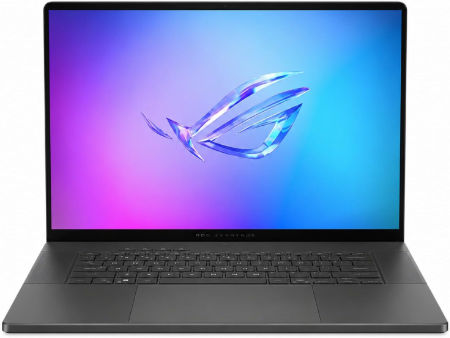 Check This On Amazon |
|
| CPU | Intel Core Ultra 9 386H |
| GPU | NVIDIA GeForce RTX 5080 Laptop GPU, 16GB GDDR7 |
| Display Size | 16 inch OLED |
| Display Resolution | 2560 × 1600, 240Hz |
| RAM | 32GB LPDDR5X onboard |
| Storage Space | 1TB NVMe SSD |
| Operating System | Windows 11 Home |
| Ports | Thunderbolt 4 USB C; USB A; HDMI 2.1; SD card reader; 3.5mm audio |
| Pros | High refresh OLED; discrete RTX graphics; thin premium gaming chassis. |
| Cons | Memory is onboard; high GPU tiers increase heat and power consumption. |
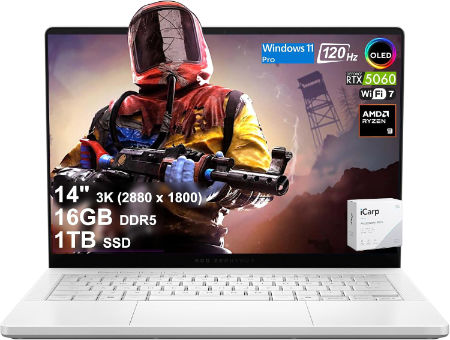
ASUS ROG Zephyrus G14 2026 AMD Ryzen AI 9 HX 475 NVIDIA GeForce RTX 5070 Ti Laptop GPU, 12GB GDDR7 |
|
|---|---|
 Check This On Amazon |
|
| CPU | AMD Ryzen AI 9 HX 475 |
| GPU | NVIDIA GeForce RTX 5070 Ti Laptop GPU, 12GB GDDR7 |
| Display Size | 14 inch OLED |
| Display Resolution | 2880 × 1800, 120Hz |
| RAM | 32GB LPDDR5X onboard |
| Storage Space | 1TB NVMe SSD |
| Operating System | Windows 11 Home |
| Ports | USB4 Type C; USB C; USB A; HDMI 2.1; microSD; 3.5mm audio |
| Pros | Compact OLED gaming laptop; discrete RTX graphics; portable form factor. |
| Cons | Memory is onboard |
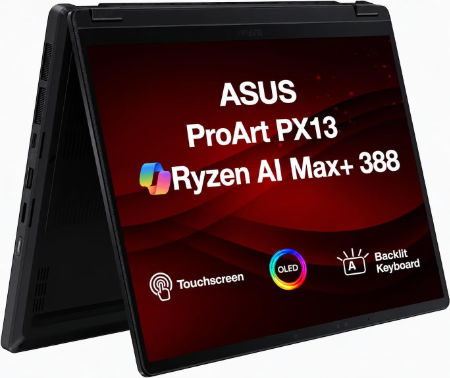
ASUS ProArt PX13 2026 AMD Ryzen AI 9 HX 370 NVIDIA GeForce RTX 5070 Laptop GPU, 8GB GDDR7 |
|
|---|---|
 Check This On Amazon |
|
| CPU | AMD Ryzen AI 9 HX 370 |
| GPU | NVIDIA GeForce RTX 5070 Laptop GPU, 8GB GDDR7 |
| Display Size | 13.3 inch convertible OLED touchscreen |
| Display Resolution | 2880 × 1800, 120Hz |
| RAM | 32GB LPDDR5X onboard |
| Storage Space | 1TB NVMe SSD |
| Operating System | Windows 11 Home or Pro |
| Ports | USB4 Type C; USB C; USB A; HDMI 2.1; microSD card reader; 3.5mm audio |
| Pros | Portable convertible design; OLED touchscreen; discrete graphics for mobile creative work. |
| Cons | |
Also check out: Best laptops for Movavi Video Editor in addition to the best laptops for Hitfilm Pro.


