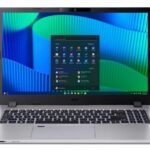
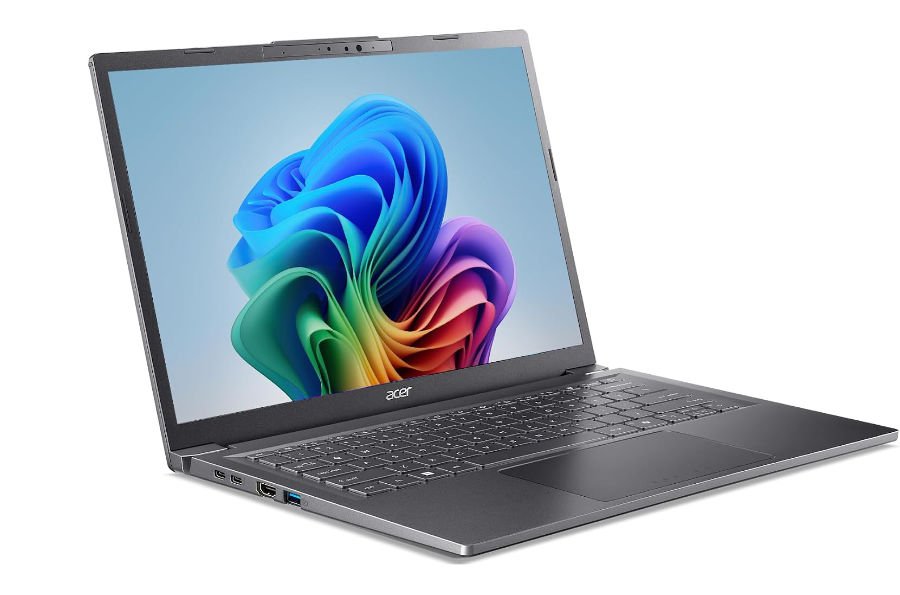
Autodesk Arnold requires a powerful processor and capable graphics card to handle demanding 3D rendering workloads.
Arnold is a physically based ray tracing renderer used in film production, animation, visual effects, and design visualisation. It supports both CPU and GPU rendering, giving artists flexibility when working with different scenes and production requirements.
Complex geometry, high resolution textures, detailed materials, advanced lighting, and volumetric effects can place considerable demands on computer hardware. Underpowered laptops may experience slow render times, limited scene complexity, and sluggish interactive previews.
CPU performance is particularly important for Arnold’s CPU rendering, while GPU performance and VRAM determine the capabilities of its GPU rendering mode. Choosing the right hardware depends on your preferred rendering engine and the complexity of your projects.
Key Laptop Specifications for Arnold Renderer
Arnold supports CPU rendering across Windows, macOS, and Linux. Its GPU rendering mode uses NVIDIA graphics cards with CUDA and OptiX support, and is available on Windows and Linux. This distinction is important when selecting a laptop.
Autodesk’s official requirements specify a 64 bit operating system and an x86 64 processor supporting SSE4.1. Apple Mac computers with M series processors are also natively supported. However, Autodesk does not prescribe a universal minimum RAM capacity, GPU VRAM capacity, or recommended laptop processor model specifically for Arnold. Requirements also depend on the host application, such as Maya, 3ds Max, Houdini, or Cinema 4D.
Here are the key specifications we consider when selecting the best laptops for Arnold Renderer:
- Processor (CPU): CPU performance is critical for Arnold’s CPU rendering mode. Complex scenes can benefit from high core counts, strong multicore performance, and sufficient memory bandwidth. We prioritise modern Intel Core Ultra 7 and 9, AMD Ryzen 7 and 9, and Apple Silicon Pro and Max processors. For CPU focused rendering, high end Intel Core i9 and AMD Ryzen 9 processors are particularly suitable.
- Graphics Card (GPU): Arnold GPU uses NVIDIA CUDA and OptiX technologies to accelerate rendering. Autodesk supports NVIDIA GPUs with Maxwell architecture or newer, although modern RTX graphics cards offer considerably greater rendering capabilities. We prioritise NVIDIA GeForce RTX GPUs with at least 8GB VRAM, preferably 12GB to 16GB or more, for complex scenes, detailed textures, and GPU accelerated rendering. GPU rendering is not supported by Arnold on macOS.
- RAM: Scene complexity, geometry, textures, and rendering requirements determine memory consumption. Although Autodesk does not specify a universal RAM minimum for Arnold itself, we recommend 32GB as the starting point for professional 3D rendering, with 64GB or more for complex scenes, large environments, simulations, and multitasking.
- Storage: Arnold projects can contain large geometry files, textures, caches, simulations, and rendered outputs. We prioritise fast NVMe SSDs with at least 1TB capacity, while 2TB or more is preferable for extensive production libraries and large projects. PCIe Gen 4 SSDs are desirable for handling substantial project assets.
- Display: A high quality display helps with material editing, lighting adjustments, colour evaluation, and reviewing rendered images. We prioritise 16 inch or larger IPS and OLED panels with QHD or 4K resolution, good brightness, and accurate colour reproduction. Wide colour gamut coverage, including sRGB and DCI P3, is beneficial for professional visualisation.
These specifications provide a practical foundation for CPU and GPU accelerated rendering, architectural visualisation, character rendering, animation, product visualisation, and visual effects production, helping you select a laptop suited to your Arnold rendering requirements.
Best Overall Laptops for Arnold Renderer
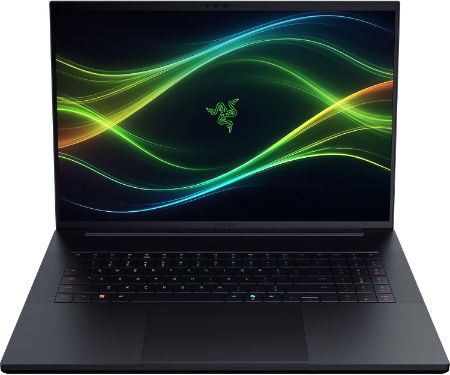
Razer Blade 18 2026 Core Ultra 9 290HX Plus RTX 5090 128GB 2TB Dual Mode |
|
|---|---|
 Check This On Amazon |
|
| CPU | Intel Core Ultra 9 290HX Plus, 24 cores, 24 threads, up to 5.5 GHz, integrated NPU up to 13 TOPS |
| GPU | NVIDIA GeForce RTX 5090 Laptop GPU, 24GB GDDR7, up to 175W TGP including Dynamic Boost |
| Display Size | 18 inches, 16:10 |
| Display Resolution | Dual mode IPS: UHD+ 3840 × 2400 at 240Hz or FHD+ 1920 × 1200 at 440Hz; 3ms, 600 nits, 100% DCI P3 |
| RAM | 128GB DDR5 6400MHz, 2 × 64GB SO DIMMs |
| Storage Space | 2TB PCIe 4.0 NVMe M.2 SSD; supports additional M.2 SSDs, with up to 8TB Gen4 plus up to 4TB Gen5 according to Razer support |
| Operating System | Windows 11 Home |
| Ports | 1 × Thunderbolt 5 USB C; 1 × Thunderbolt 4 USB C; 3 × USB A 3.2 Gen 2; HDMI 2.1; 2.5 Gb Ethernet; UHS II SD card reader; 3.5 mm headset combo jack; Kensington lock slot |
| Dimensions (L x W x H) | 15.74 × 10.84 × 0.86 to 1.10 inches (depth × width × height) |
| Weight | 7.06 lb (3.2 kg) |
| Pros | 128GB RAM supports unusually large datasets, local development environments and demanding production work; RTX 5090 with 24GB VRAM; 2TB SSD. |
| Cons | Very costly and heavy; full performance requires the large AC adapter. |
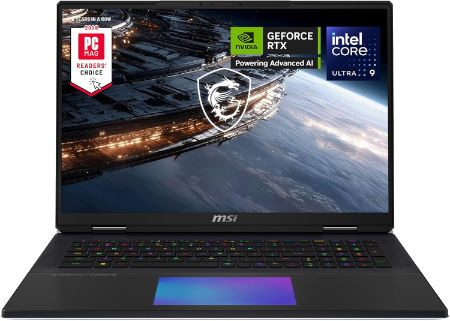
MSI Titan 18 HX 18 inches 240Hz Mini LED 3840 x 2400 Pixels, 4TB Storage, 64GB RAM, Intel Core Ultra 9 290HX Plus, NVIDIA GeForce RTX 5090 Laptop GPU 24GB GDDR7 |
|
|---|---|
 Check This On Amazon |
|
| CPU | Intel Core Ultra 9 290HX Plus |
| GPU | NVIDIA GeForce RTX 5090 Laptop GPU 24GB GDDR7 |
| Display Size | 18 inches |
| Display Resolution | 3840 x 2400 Pixels |
| RAM | 64GB DDR5 RAM |
| Storage Space | 4TB NVMe SSD |
| Operating System | Windows 11 |
| Ports | Thunderbolt 4, USB Type A, HDMI 2.1, RJ45 Ethernet, SD card reader, audio combo jack |
| Dimensions (L x W x H) | 16.1 x 12.0 x 1.3 inches |
| Weight | 7.9 pounds |
| Pros | Flagship GPU; 4K high refresh Mini LED; large screen; excellent for demanding gaming and rendering |
| Cons | Very heavy; expensive; large power adapter; limited portability |
MSI Raider 16 Max HX 16 inches 240Hz OLED 2560 x 1600 Pixels, 2TB Storage, 64GB RAM, Intel Core Ultra 9 290HX Plus, NVIDIA GeForce RTX 5090 Laptop GPU 24GB GDDR7 |
|
|---|---|
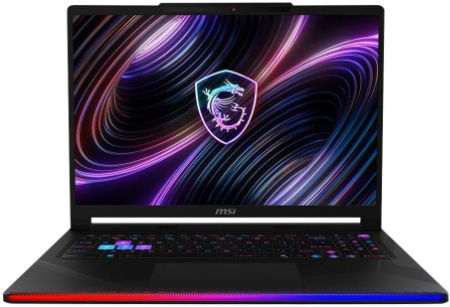 Check This On Amazon |
|
| CPU | Intel Core Ultra 9 290HX Plus |
| GPU | NVIDIA GeForce RTX 5090 Laptop GPU 24GB GDDR7 |
| Display Size | 16 inches |
| Display Resolution | 2560 x 1600 Pixels |
| RAM | 64GB DDR5 RAM |
| Storage Space | 2TB NVMe SSD |
| Operating System | Windows 11 |
| Ports | Thunderbolt 4, USB Type A, HDMI 2.1, RJ45 Ethernet, SD card reader, audio combo jack |
| Dimensions (L x W x H) | 14.1 x 10.6 x 1.1 inches |
| Weight | 6.2 pounds |
| Pros | Top tier gaming GPU; high refresh OLED; strong CPU performance; upgradeable memory and storage |
| Cons | Expensive; heavy; high power draw; fans can become audible under sustained load |
Best RTX 5090 Laptops for Arnold GPU Rendering
AORUS MASTER 16 GEN 2 Ryzen 9 9955HX3D RTX 5090 16 inch 2.5K OLED 240Hz |
|
|---|---|
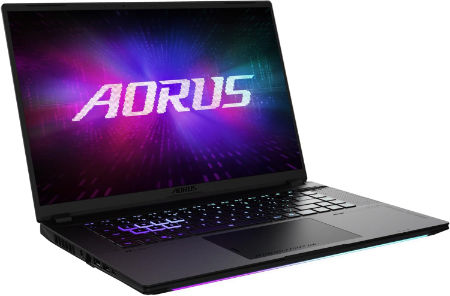 Check This On Amazon |
|
| CPU | AMD Ryzen 9 9955HX3D, 16 cores, 32 threads, up to 5.4 GHz, 128MB L3 cache |
| GPU | NVIDIA GeForce RTX 5090 Laptop GPU, 24GB GDDR7, up to 175W with Dynamic Boost |
| Display Size | 16 inch, 16:10 |
| Display Resolution | WQXGA 2560 × 1600 OLED, 240Hz, 0.2ms, 100% DCI P3, up to 1000 nits peak, DisplayHDR True Black 1000 |
| RAM | Up to 64GB DDR5 5600MHz, 2 SO DIMM slots |
| Storage Space | Up to 4TB PCIe NVMe SSD, one PCIe Gen5 M.2 slot and one PCIe Gen4 x4 M.2 slot |
| Operating System | Windows 11 Home or Windows 11 Pro |
| Ports | HDMI 2.1, RJ45 Ethernet, USB Type A 3.2 Gen 2, USB4 Type C with DisplayPort 1.4 and Power Delivery 3.0, USB Type C 3.2 Gen 2 with DisplayPort 2.0 and Power Delivery 3.0, MicroSD UHS II, 3.5mm audio combo, DC in |
| Dimensions (L x W x H) | 10.05 × 14.06 × 0.75 to 0.96 inches (depth × width × height) |
| Weight | 5.07 lb (approximately 2.3 kg) |
| Pros | Flagship gaming performance; 24GB graphics memory; fast high contrast OLED display; strong cooling design and expandable system memory. |
| Cons | High purchase cost and power draw; the 330W class charger adds travel weight; battery runtime under heavy gaming will be limited. |
Best RTX 5080 Laptops for Arnold Rendering
MSI Stealth 18 HX 18 inches 240Hz Mini LED 3840 x 2400 Pixels, 2TB Storage, 32GB RAM, Intel Core Ultra 9 290HX Plus, NVIDIA GeForce RTX 5080 Laptop GPU 16GB GDDR7 |
|
|---|---|
Check This On Amazon |
|
| CPU | Intel Core Ultra 9 290HX Plus |
| GPU | NVIDIA GeForce RTX 5080 Laptop GPU 16GB GDDR7 |
| Display Size | 18 inches |
| Display Resolution | 3840 x 2400 Pixels |
| RAM | 32GB DDR5 RAM |
| Storage Space | 2TB NVMe SSD |
| Operating System | Windows 11 |
| Ports | Thunderbolt 4, USB Type A, HDMI 2.1, RJ45 Ethernet, SD card reader, audio combo jack |
| Dimensions (L x W x H) | 16.1 x 11.7 x 1.0 inches |
| Weight | 6.4 pounds |
| Pros | Large high resolution display; strong discrete GPU; high performance CPU; useful creator connectivity |
| Cons | Large chassis; costly; battery life drops under heavy GPU use |
Best Creator Laptops for Arnold, Maya and Cinema 4D
ASUS ProArt P16 2026 AMD Ryzen AI 9 HX 475 NVIDIA GeForce RTX 5090 Laptop GPU, 24GB GDDR7 |
|
|---|---|
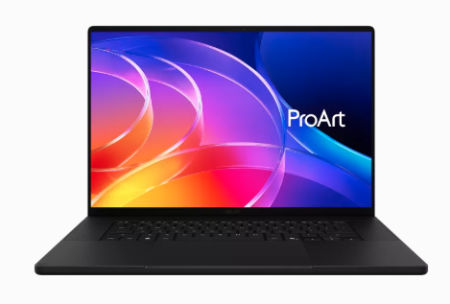 Check This On Amazon |
|
| CPU | AMD Ryzen AI 9 HX 475 |
| GPU | NVIDIA GeForce RTX 5090 Laptop GPU, 24GB GDDR7 |
| Display Size | 16 inch OLED touchscreen |
| Display Resolution | 3840 × 2400, 120Hz |
| RAM | 64GB LPDDR5X onboard |
| Storage Space | 2TB NVMe SSD |
| Operating System | Windows 11 Home or Pro |
| Ports | USB4 Type C; USB C; USB A; HDMI 2.1; SD Express card reader; 3.5mm audio |
| Pros | 4K OLED with wide color gamut; dedicated RTX graphics; SD card reader for creative media. |
| Cons | high end RTX configurations increase price and power use. |
ASUS ProArt P16 2026 AMD Ryzen AI 9 HX 475 NVIDIA GeForce RTX 5080 Laptop GPU, 16GB GDDR7 |
|
|---|---|
Check This On Amazon |
|
| CPU | AMD Ryzen AI 9 HX 475 |
| GPU | NVIDIA GeForce RTX 5080 Laptop GPU, 16GB GDDR7 |
| Display Size | 16 inch OLED touchscreen |
| Display Resolution | 3840 × 2400, 120Hz |
| RAM | 64GB LPDDR5X onboard |
| Storage Space | 2TB NVMe SSD |
| Operating System | Windows 11 Home or Pro |
| Ports | USB4 Type C; USB C; USB A; HDMI 2.1; SD Express card reader; 3.5mm audio |
| Pros | 4K OLED with wide color gamut; dedicated RTX graphics; SD card reader for creative media. |
| Cons | |
Best MacBook Pro Laptops for Arnold CPU Rendering
Apple MacBook Pro M5 Max 16.2 inches 3456 x 2234 Pixels, 128GB unified memory, 4TB SSD, Apple M5 Max 18-core CPU, 40-core GPU |
|
|---|---|
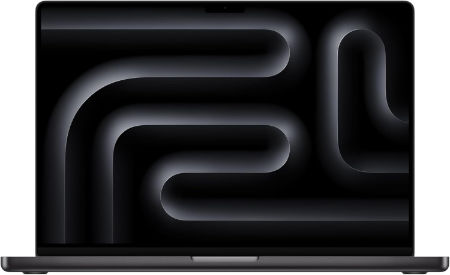 Check This On Amazon |
|
| CPU | Apple M5 Max, 18-core CPU |
| GPU | 40-core GPU |
| Display Size | 16.2 inches |
| Display Resolution | 3456 x 2234 Pixels; Liquid Retina XDR, mini-LED, ProMotion up to 120Hz |
| RAM | 128GB unified memory |
| Storage Space | 4TB SSD |
| Operating System | macOS |
| Ports | 3 x Thunderbolt 5 USB-C, HDMI, SDXC card slot, MagSafe 3, 3.5mm headphone jack |
| Dimensions (L x W x H) | 14.01 x 9.77 x 0.66 inches |
| Weight | 4.7 pounds |
| Pros | Very strong GPU compute; large unified memory options; XDR HDR display; Thunderbolt 5 and full-size ports |
| Cons | Very expensive; memory cannot be upgraded; high power use under heavy workloads; heavier than Air |
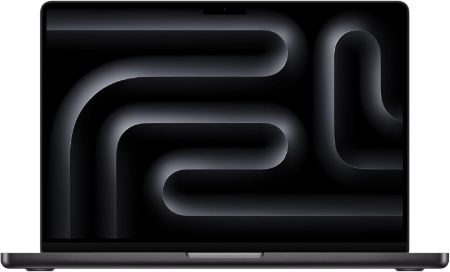
Apple MacBook Pro M5 Max 14.2 inches 3024 x 1964 Pixels, 128GB unified memory, 8TB SSD, Apple M5 Max 18-core CPU, 40-core GPU |
|
|---|---|
 Check This On Amazon |
|
| CPU | Apple M5 Max, 18-core CPU |
| GPU | 40-core GPU |
| Display Size | 14.2 inches |
| Display Resolution | 3024 x 1964 Pixels; Liquid Retina XDR, mini-LED, ProMotion up to 120Hz |
| RAM | 128GB unified memory |
| Storage Space | 8TB SSD |
| Operating System | macOS |
| Ports | 3 x Thunderbolt 5 USB-C, HDMI, SDXC card slot, MagSafe 3, 3.5mm headphone jack |
| Dimensions (L x W x H) | 12.31 x 8.71 x 0.61 inches |
| Weight | 3.5 pounds |
| Pros | Very strong GPU compute; large unified memory options; XDR HDR display; Thunderbolt 5 and full-size ports |
| Cons | Very expensive |
Best Value Laptops for Arnold GPU Rendering
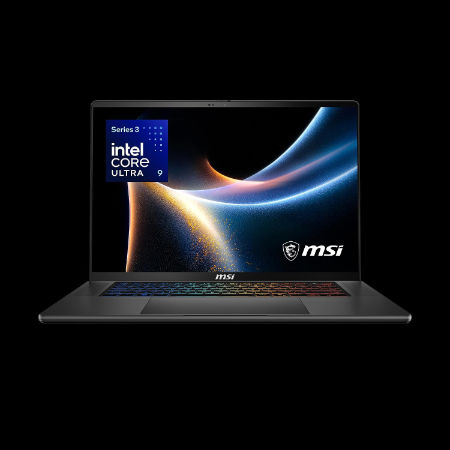
MSI Stealth 16 AI+ 16 inches 240Hz OLED 2560 x 1600 Pixels, 1TB Storage, 32GB RAM, Intel Core Ultra 7 356H, NVIDIA GeForce RTX 5070 Ti Laptop GPU 12GB GDDR7 |
|
|---|---|
 Check This On Amazon |
|
| CPU | Intel Core Ultra 7 356H |
| GPU | NVIDIA GeForce RTX 5070 Ti Laptop GPU 12GB GDDR7 |
| Display Size | 16 inches |
| Display Resolution | 2560 x 1600 Pixels |
| RAM | 32GB LPDDR5x onboard |
| Storage Space | 1TB NVMe SSD |
| Operating System | Windows 11 |
| Ports | 2 x Thunderbolt 4, 2 x USB Type A, HDMI 2.1, RJ45 Ethernet, audio combo jack |
| Dimensions (L x W x H) | 14.0 x 9.8 x 0.7 inches |
| Weight | 4.4 pounds |
| Pros | Slim design; strong GPU; OLED display; portable for a performance laptop |
| Cons | Soldered RAM; expensive; thin chassis |
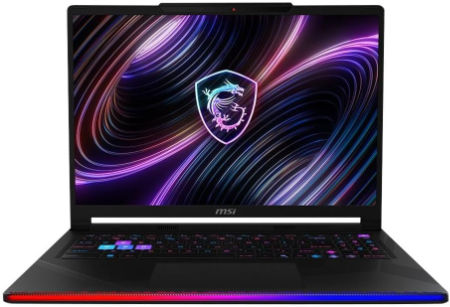
MSI Raider 16 HX 16 inches 240Hz IPS-Level 2560 x 1600 Pixels, 1TB Storage, 32GB RAM, Intel Core Ultra 7 255HX, NVIDIA GeForce RTX 5070 Ti Laptop GPU 12GB GDDR7 |
|
|---|---|
 Check This On Amazon |
|
| CPU | Intel Core Ultra 7 255HX |
| GPU | NVIDIA GeForce RTX 5070 Ti Laptop GPU 12GB GDDR7 |
| Display Size | 16 inches |
| Display Resolution | 2560 x 1600 Pixels |
| RAM | 32GB DDR5 RAM |
| Storage Space | 1TB NVMe SSD |
| Operating System | Windows 11 |
| Ports | Thunderbolt 4, USB Type A, HDMI 2.1, RJ45 Ethernet, SD Express reader, audio combo jack |
| Dimensions (L x W x H) | 14.1 x 10.6 x 1.1 inches |
| Weight | 6.2 pounds |
| Pros | Strong gaming performance; 240Hz display; upgradeable memory |
| Cons | Heavy; expensive; battery life is limited during gaming |
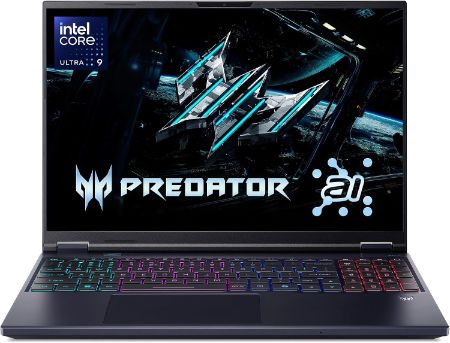
Acer Predator Helios Neo 16S AI 16 inches 2560 x 1600 Pixels, 32GB DDR5, 1TB PCIe Gen 4 SSD, Intel Core Ultra 9 386H, NVIDIA GeForce RTX 5070 Ti Laptop GPU 12GB GDDR7 |
|
|---|---|
 Check This On Amazon |
|
| CPU | Intel Core Ultra 9 386H |
| GPU | NVIDIA GeForce RTX 5070 Ti Laptop GPU 12GB GDDR7 |
| Display Size | 16 inches |
| Display Resolution | 2560 x 1600 Pixels; WQXGA OLED, 240Hz |
| RAM | 32GB DDR5 |
| Storage Space | 1TB PCIe Gen 4 SSD |
| Operating System | Windows 11 |
| Ports | Thunderbolt 4 USB-C, USB-A, HDMI 2.1, RJ45, audio combo jack |
| Dimensions (L x W x H) | 14.2 x 10.5 x 0.9 inches |
| Weight | 5.5 pounds |
| Pros | High refresh OLED; dedicated RTX graphics; suitable for gaming and creator tasks |
| Cons | Heavy; expensive; fan noise and heat under load |