AI architectural rendering is transforming how architects develop, visualise and present design concepts. Tools such as Veras, LookX AI, Stable Diffusion, ComfyUI and other AI rendering platforms can transform sketches, 3D models and reference images into realistic architectural visualisations.
These applications have different hardware requirements. Cloud based AI rendering relies primarily on remote processing, while locally installed AI models use the laptop’s GPU, VRAM and system memory. Traditional architectural applications such as Revit, SketchUp, Rhino and Archicad also influence the hardware needed to prepare and process 3D models.
For AI architectural rendering, prioritise an NVIDIA RTX graphics card with substantial VRAM, at least 32GB RAM and a powerful multi core processor. For local AI image generation, GPU memory is one of the most important purchasing considerations.
Key Laptop Specifications for AI Architectural Rendering
There is no universal hardware specification for AI architectural rendering. Requirements depend on the software, AI model, image resolution and whether processing happens locally or in the cloud. For example, Veras uses cloud processing, while Stable Diffusion and ComfyUI can run locally and benefit significantly from powerful NVIDIA GPUs.
- GPU: Choose an NVIDIA RTX graphics card with dedicated VRAM. An RTX 4060 with 8GB VRAM is a starting point for basic local AI image generation. An RTX 5070 Ti with 12GB VRAM or RTX 5080 with 16GB VRAM is preferable for demanding applications. For large AI models, high resolution generation and complex workflows, consider an RTX 5090 with 24GB VRAM. More VRAM allows larger models and higher resolution tasks to run locally.
- CPU: Choose an Intel Core Ultra 7 or Core Ultra 9, or AMD Ryzen 7 or Ryzen 9 processor. A powerful multi core CPU supports 3D modelling, scene preparation, image processing and multitasking. It also helps when running architectural applications alongside local AI tools.
- RAM: Choose at least 32GB RAM for professional architectural visualisation. Consider 64GB for local AI model loading, large BIM projects, complex 3D scenes and simultaneous use of several applications. Additional memory is useful when running AI tools alongside Revit, SketchUp, Photoshop and other design software.
- Storage: Choose a fast NVMe SSD with at least 1TB capacity. A 2TB SSD is preferable for storing AI models, checkpoints, LoRAs, texture libraries, architectural projects and generated images. Local AI models can consume substantial storage space.
- Display: A 16 inch IPS or OLED display with QHD resolution provides a suitable workspace for architectural modelling and image editing. Prioritise accurate colour reproduction, ideally 100% sRGB coverage or a wide DCI P3 colour gamut. A high resolution external monitor can also improve image review and presentation work.
For professional AI architectural rendering, an NVIDIA RTX 5070 Ti with 12GB VRAM, 32GB RAM, a modern Intel Core Ultra 7 or AMD Ryzen 7 processor and a 1TB NVMe SSD provide a strong starting configuration. For demanding local AI generation, consider an RTX 5080 or RTX 5090 with 64GB RAM and 2TB storage. These specifications support AI image generation, architectural visualisation, concept development, material exploration and high resolution design presentations.
Best Overall Laptops for AI Architectural Rendering
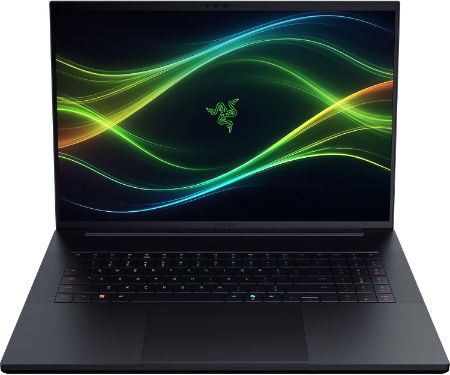
Razer Blade 18 2026 Core Ultra 9 290HX Plus RTX 5090 128GB 2TB Dual Mode |
|
|---|---|
 Check This On Amazon |
|
| CPU | Intel Core Ultra 9 290HX Plus, 24 cores, 24 threads, up to 5.5 GHz, integrated NPU up to 13 TOPS |
| GPU | NVIDIA GeForce RTX 5090 Laptop GPU, 24GB GDDR7, up to 175W TGP including Dynamic Boost |
| Display Size | 18 inches, 16:10 |
| Display Resolution | Dual mode IPS: UHD+ 3840 × 2400 at 240Hz or FHD+ 1920 × 1200 at 440Hz; 3ms, 600 nits, 100% DCI P3 |
| RAM | 128GB DDR5 6400MHz, 2 × 64GB SO DIMMs |
| Storage Space | 2TB PCIe 4.0 NVMe M.2 SSD; supports additional M.2 SSDs, with up to 8TB Gen4 plus up to 4TB Gen5 according to Razer support |
| Operating System | Windows 11 Home |
| Ports | 1 × Thunderbolt 5 USB C; 1 × Thunderbolt 4 USB C; 3 × USB A 3.2 Gen 2; HDMI 2.1; 2.5 Gb Ethernet; UHS II SD card reader; 3.5 mm headset combo jack; Kensington lock slot |
| Dimensions (L x W x H) | 15.74 × 10.84 × 0.86 to 1.10 inches (depth × width × height) |
| Weight | 7.06 lb (3.2 kg) |
| Pros | 128GB RAM supports unusually large datasets, local development environments and demanding production work; RTX 5090 with 24GB VRAM; 2TB SSD. |
| Cons | Very costly and heavy; full performance requires the large AC adapter. |
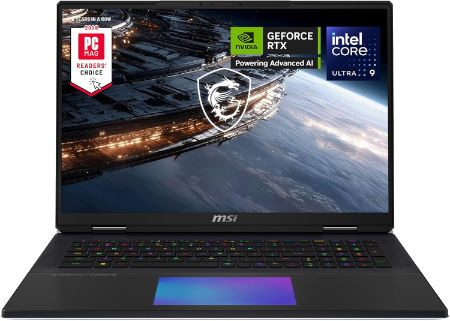
MSI Titan 18 HX 18 inches 240Hz Mini LED 3840 x 2400 Pixels, 4TB Storage, 64GB RAM, Intel Core Ultra 9 290HX Plus, NVIDIA GeForce RTX 5090 Laptop GPU 24GB GDDR7 |
|
|---|---|
 Check This On Amazon |
|
| CPU | Intel Core Ultra 9 290HX Plus |
| GPU | NVIDIA GeForce RTX 5090 Laptop GPU 24GB GDDR7 |
| Display Size | 18 inches |
| Display Resolution | 3840 x 2400 Pixels |
| RAM | 64GB DDR5 RAM |
| Storage Space | 4TB NVMe SSD |
| Operating System | Windows 11 |
| Ports | Thunderbolt 4, USB Type A, HDMI 2.1, RJ45 Ethernet, SD card reader, audio combo jack |
| Dimensions (L x W x H) | 16.1 x 12.0 x 1.3 inches |
| Weight | 7.9 pounds |
| Pros | Flagship GPU; 4K high refresh Mini LED; large screen; excellent for demanding gaming and rendering |
| Cons | Very heavy; expensive; large power adapter; limited portability |
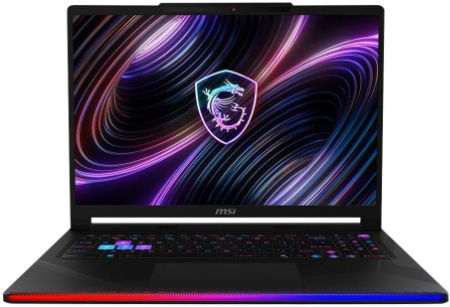
MSI Raider 16 Max HX 16 inches 240Hz OLED 2560 x 1600 Pixels, 2TB Storage, 64GB RAM, Intel Core Ultra 9 290HX Plus, NVIDIA GeForce RTX 5090 Laptop GPU 24GB GDDR7 |
|
|---|---|
 Check This On Amazon |
|
| CPU | Intel Core Ultra 9 290HX Plus |
| GPU | NVIDIA GeForce RTX 5090 Laptop GPU 24GB GDDR7 |
| Display Size | 16 inches |
| Display Resolution | 2560 x 1600 Pixels |
| RAM | 64GB DDR5 RAM |
| Storage Space | 2TB NVMe SSD |
| Operating System | Windows 11 |
| Ports | Thunderbolt 4, USB Type A, HDMI 2.1, RJ45 Ethernet, SD card reader, audio combo jack |
| Dimensions (L x W x H) | 14.1 x 10.6 x 1.1 inches |
| Weight | 6.2 pounds |
| Pros | Top tier gaming GPU; high refresh OLED; strong CPU performance; upgradeable memory and storage |
| Cons | Expensive; heavy; high power draw; fans can become audible under sustained load |
Best Laptops for Running ComfyUI and Stable Diffusion Locally
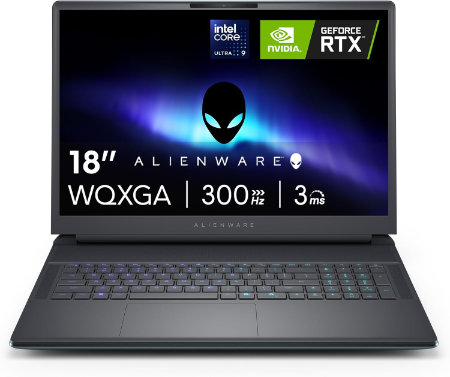
Dell Alienware 18 Area 51 Core Ultra 9 290HX Plus RTX5090 64GB 2TB WQXGA 300Hz |
|
|---|---|
 Check This On Amazon |
|
| CPU | Intel Core Ultra 9 290HX Plus, 24 cores, up to 5.5 GHz |
| GPU | NVIDIA GeForce RTX 5090 Laptop GPU, 24GB GDDR7 |
| Display Size | 18 inch, 16:10 |
| Display Resolution | 18 inch WQXGA 2560 × 1600, 300Hz, 500 nits, 100% DCI P3, Advanced Optimus, ComfortView Plus and G SYNC |
| RAM | 64GB DDR5 6400 MT/s, 2 × 32GB CSoDIMM |
| Storage Space | 2TB M.2 2280 PCIe Gen 5 SSD |
| Operating System | Windows 11 Home or Windows 11 Pro |
| Ports | USB A 3.2 Gen 1; USB C Thunderbolt ports depending on GPU tier; HDMI 2.1; SD card reader; global headset jack; RJ45 Ethernet |
| Dimensions (L x W x H) | 16.14 × 12.59 × 0.95 inches at front (width × depth × front height) |
| Weight | 9.56 lb maximum system weight |
| Pros | Very large 300Hz screen; flagship RTX 50 Series GPU options; 96Wh battery; replaceable DDR5 memory and multiple SSD options. |
| Cons | 9.56 lb maximum laptop weight plus a 2.20 lb power adapter; large desk focused chassis; battery life is short during gaming. Consider a RAM upgrade for demanding video work or large local development environments. |
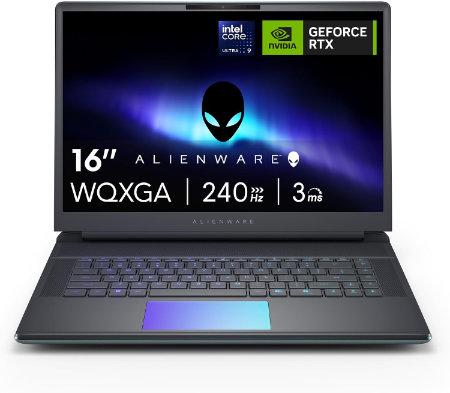
Dell Alienware 16 Area 51 Core Ultra 9 290HX Plus RTX5090 64GB 2TB OLED 240Hz |
|
|---|---|
 Check This On Amazon |
|
| CPU | Intel Core Ultra 9 290HX Plus, 24 cores, up to 5.5 GHz |
| GPU | NVIDIA GeForce RTX 5090 Laptop GPU, 24GB GDDR7 |
| Display Size | 16 inch, 16:10 |
| Display Resolution | 16 inch WQXGA 2560 × 1600 anti glare OLED, 240Hz, 120% DCI P3 color volume, 620 nits HDR, G SYNC |
| RAM | 64GB DDR5 6400 MT/s, 2 × 32GB CSoDIMM |
| Storage Space | 2TB M.2 2280 PCIe Gen 5 SSD |
| Operating System | Windows 11 Home or Windows 11 Pro |
| Ports | Global headset jack; 3 × USB A 3.2 Gen 1; 2 × Thunderbolt 4 for RTX 5070 and lower or 2 × Thunderbolt 5 for RTX 5070 Ti and higher; HDMI 2.1; SD card reader |
| Dimensions (L x W x H) | 14.37 × 11.41 × up to 1.12 inches (width × depth × maximum height) |
| Weight | 7.49 lb maximum system weight |
| Pros | Desktop class graphics options; high refresh OLED; 96Wh battery; user replaceable DDR5 memory and multiple SSD capacity options |
| Cons | Very heavy for daily travel |
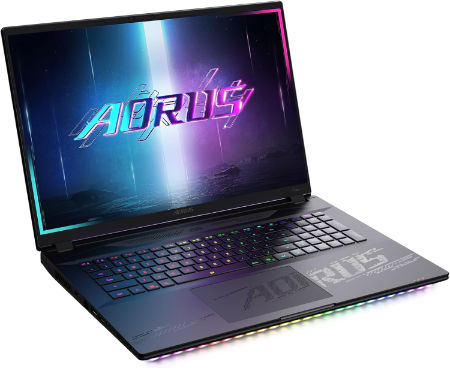
AORUS MASTER 18 Core Ultra 9 275HX RTX 5090 18 inch Mini LED 240Hz |
|
|---|---|
 Check This On Amazon |
|
| CPU | Intel Core Ultra 9 275HX, 24 cores, 24 threads, up to 5.4 GHz |
| GPU | NVIDIA GeForce RTX 5090 Laptop GPU, 24GB GDDR7, up to 175W with Dynamic Boost |
| Display Size | 18 inch, 16:10 |
| Display Resolution | WQXGA 2560 × 1600 Mini LED, 240Hz, 3ms, 100% DCI P3, up to 1200 nits, 2304 local dimming zones, DisplayHDR 1000 |
| RAM | Up to 128GB DDR5, 4 SO DIMM slots |
| Storage Space | Up to 6TB PCIe NVMe SSD across one PCIe Gen5 M.2 slot and two PCIe Gen4 x4 M.2 slots, RAID 0 support |
| Operating System | Windows 11 Home or Windows 11 Pro |
| Ports | Thunderbolt 5 Type C with USB4, DisplayPort 2.1 and Power Delivery 3.0, Thunderbolt 4 Type C with USB4, DisplayPort 1.4 and Power Delivery 3.0, HDMI 2.1, USB Type A 3.2 Gen 2, full size SD UHS II, RJ45 2.5Gb Ethernet, 3.5mm audio combo, DC in |
| Dimensions (L x W x H) | 11.30 × 15.78 × 1.00 to 1.22 inches (depth × width × height) |
| Weight | 7.72 lb (approximately 3.5 kg) |
| Pros | Very large bright Mini LED display; RTX 5090 performance; extensive memory and SSD expansion; premium port selection. |
| Cons | Heavy and bulky; large 400W adapter; likely best for desk based use rather than frequent travel. |
Best RTX 5080 Laptops for AI Architectural Rendering
MSI Stealth 18 HX 18 inches 240Hz Mini LED 3840 x 2400 Pixels, 2TB Storage, 32GB RAM, Intel Core Ultra 9 290HX Plus, NVIDIA GeForce RTX 5080 Laptop GPU 16GB GDDR7 |
|
|---|---|
Check This On Amazon |
|
| CPU | Intel Core Ultra 9 290HX Plus |
| GPU | NVIDIA GeForce RTX 5080 Laptop GPU 16GB GDDR7 |
| Display Size | 18 inches |
| Display Resolution | 3840 x 2400 Pixels |
| RAM | 32GB DDR5 RAM |
| Storage Space | 2TB NVMe SSD |
| Operating System | Windows 11 |
| Ports | Thunderbolt 4, USB Type A, HDMI 2.1, RJ45 Ethernet, SD card reader, audio combo jack |
| Dimensions (L x W x H) | 16.1 x 11.7 x 1.0 inches |
| Weight | 6.4 pounds |
| Pros | Large high resolution display; strong discrete GPU; high performance CPU; useful creator connectivity |
| Cons | Large chassis; costly; battery life drops under heavy GPU use |
MSI Raider 16 Max HX 16 inches 240Hz OLED 2560 x 1600 Pixels, 2TB Storage, 64GB RAM, Intel Core Ultra 9 290HX Plus, NVIDIA GeForce RTX 5080 Laptop GPU 16GB GDDR7 |
|
|---|---|
Check This On Amazon |
|
| CPU | Intel Core Ultra 9 290HX Plus |
| GPU | NVIDIA GeForce RTX 5080 Laptop GPU 16GB GDDR7 |
| Display Size | 16 inches |
| Display Resolution | 2560 x 1600 Pixels |
| RAM | 64GB DDR5 RAM |
| Storage Space | 2TB NVMe SSD |
| Operating System | Windows 11 |
| Ports | Thunderbolt 4, USB Type A, HDMI 2.1, RJ45 Ethernet, SD card reader, audio combo jack |
| Dimensions (L x W x H) | 14.1 x 10.6 x 1.1 inches |
| Weight | 6.2 pounds |
| Pros | High end RTX 5080 graphics; fast OLED panel; upgradeable memory and storage |
| Cons | Premium price; heavy chassis; high power draw |
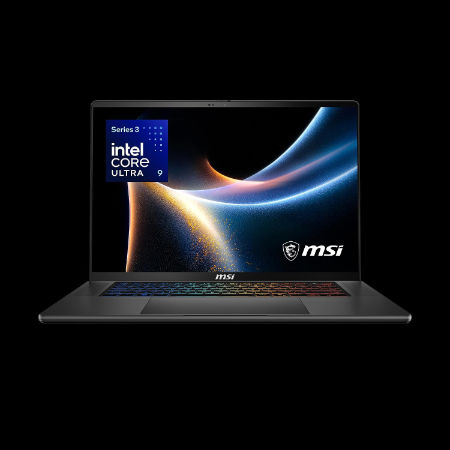
MSI Stealth 16 AI+ 16 inches 240Hz OLED 2560 x 1600 Pixels, 2TB Storage, 32GB RAM, Intel Core Ultra 9 386H, NVIDIA GeForce RTX 5080 Laptop GPU 16GB GDDR7 |
|
|---|---|
 Check This On Amazon |
|
| CPU | Intel Core Ultra 9 386H |
| GPU | NVIDIA GeForce RTX 5080 Laptop GPU 16GB GDDR7 |
| Display Size | 16 inches |
| Display Resolution | 2560 x 1600 Pixels |
| RAM | 32GB LPDDR5x onboard |
| Storage Space | 2TB NVMe SSD |
| Operating System | Windows 11 |
| Ports | 2 x Thunderbolt 4, 2 x USB Type A, HDMI 2.1, RJ45 Ethernet, audio combo jack |
| Dimensions (L x W x H) | 14.0 x 9.8 x 0.7 inches |
| Weight | 4.4 pounds |
| Pros | Slim aluminum chassis; high end discrete GPU; high refresh OLED; broad connectivity |
| Cons | Premium price; soldered memory; thinner chassis may limit sustained power |
Best ASUS ProArt Laptops for AI Architectural Rendering
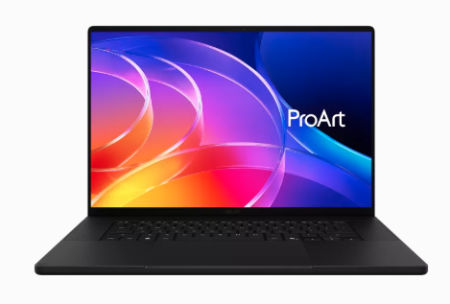
ASUS ProArt P16 2026 AMD Ryzen AI 9 HX 475 NVIDIA GeForce RTX 5090 Laptop GPU, 24GB GDDR7 |
|
|---|---|
 Check This On Amazon |
|
| CPU | AMD Ryzen AI 9 HX 475 |
| GPU | NVIDIA GeForce RTX 5090 Laptop GPU, 24GB GDDR7 |
| Display Size | 16 inch OLED touchscreen |
| Display Resolution | 3840 × 2400, 120Hz |
| RAM | 64GB LPDDR5X onboard |
| Storage Space | 2TB NVMe SSD |
| Operating System | Windows 11 Home or Pro |
| Ports | USB4 Type C; USB C; USB A; HDMI 2.1; SD Express card reader; 3.5mm audio |
| Pros | 4K OLED with wide color gamut; dedicated RTX graphics; SD card reader for creative media. |
| Cons | high end RTX configurations increase price and power use. |
Best Portable Laptops for AI Architectural Rendering
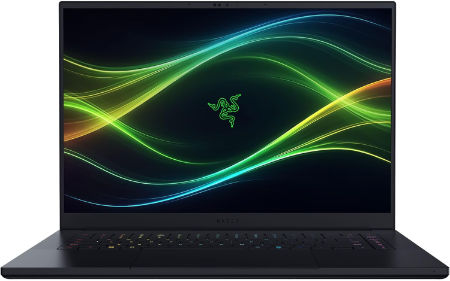
Razer Blade 16 2026 Core Ultra 9 386H RTX 5090 64GB 2TB OLED 240Hz |
|
|---|---|
 Check This On Amazon |
|
| CPU | Intel Core Ultra 9 386H, 16 cores, 16 threads, up to 4.9 GHz, with integrated NPU up to 50 TOPS |
| GPU | NVIDIA GeForce RTX 5090 Laptop GPU, 24GB GDDR7, up to 165W TGP including Dynamic Boost |
| Display Size | 16 inches, 16:10 |
| Display Resolution | QHD+ 2560 × 1600 OLED, 240Hz, 0.2ms, 100% DCI P3, up to 1100 nits HDR, VESA DisplayHDR True Black 1000 |
| RAM | 64GB LPDDR5X 9600MHz onboard memory, not upgradeable |
| Storage Space | 2TB PCIe 4.0 NVMe M.2 SSD; two M.2 slots, supports up to 8TB total with compatible drives |
| Operating System | Windows 11 Home |
| Ports | 1 × Thunderbolt 5 USB C with DisplayPort and power delivery; 1 × Thunderbolt 4 USB C with DisplayPort and power delivery; 3 × USB A 3.2 Gen 2; HDMI 2.1; UHS II SD card reader; 3.5 mm headset combo jack; Kensington lock slot |
| Dimensions (L x W x H) | 13.98 × 9.86 × 0.59 to 0.69 inches (depth × width × height) |
| Weight | 4.71 lb (2.14 kg) |
| Pros | 64GB high speed memory plus RTX 5090 suits demanding creative software, 3D work, local AI and gaming; premium 240Hz OLED display. |
| Cons | Very high purchase cost; RAM cannot be expanded or replaced |
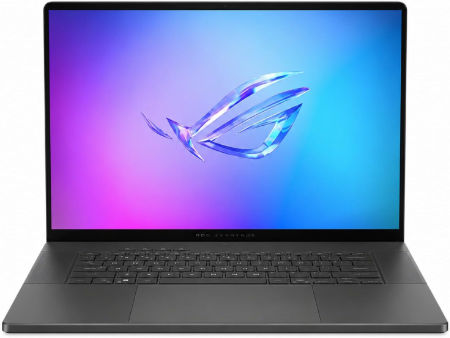
ASUS ROG Zephyrus G16 2026 Intel Core Ultra 9 386H NVIDIA GeForce RTX 5090 Laptop GPU, 24GB GDDR7 |
|
|---|---|
 Check This On Amazon |
|
| CPU | Intel Core Ultra 9 386H |
| GPU | NVIDIA GeForce RTX 5090 Laptop GPU, 24GB GDDR7 |
| Display Size | 16 inch OLED |
| Display Resolution | 2560 × 1600, 240Hz |
| RAM | 64GB LPDDR5X onboard |
| Storage Space | 2TB NVMe SSD |
| Operating System | Windows 11 Home |
| Ports | Thunderbolt 4 USB C; USB A; HDMI 2.1; SD card reader; 3.5mm audio |
| Pros | High refresh OLED; discrete RTX graphics; thin premium gaming chassis. |
| Cons | |
ASUS ROG Zephyrus G16 2026 Intel Core Ultra 9 386H NVIDIA GeForce RTX 5080 Laptop GPU, 16GB GDDR7 |
|
|---|---|
Check This On Amazon |
|
| CPU | Intel Core Ultra 9 386H |
| GPU | NVIDIA GeForce RTX 5080 Laptop GPU, 16GB GDDR7 |
| Display Size | 16 inch OLED |
| Display Resolution | 2560 × 1600, 240Hz |
| RAM | 32GB LPDDR5X onboard |
| Storage Space | 1TB NVMe SSD |
| Operating System | Windows 11 Home |
| Ports | Thunderbolt 4 USB C; USB A; HDMI 2.1; SD card reader; 3.5mm audio |
| Pros | High refresh OLED; discrete RTX graphics; thin premium gaming chassis. |
| Cons | Memory is onboard; high GPU tiers increase heat and power consumption. |
Best Value Laptops for AI Architectural Rendering
MSI Stealth 16 AI+ 16 inches 240Hz OLED 2560 x 1600 Pixels, 1TB Storage, 32GB RAM, Intel Core Ultra 7 356H, NVIDIA GeForce RTX 5070 Ti Laptop GPU 12GB GDDR7 |
|
|---|---|
Check This On Amazon |
|
| CPU | Intel Core Ultra 7 356H |
| GPU | NVIDIA GeForce RTX 5070 Ti Laptop GPU 12GB GDDR7 |
| Display Size | 16 inches |
| Display Resolution | 2560 x 1600 Pixels |
| RAM | 32GB LPDDR5x onboard |
| Storage Space | 1TB NVMe SSD |
| Operating System | Windows 11 |
| Ports | 2 x Thunderbolt 4, 2 x USB Type A, HDMI 2.1, RJ45 Ethernet, audio combo jack |
| Dimensions (L x W x H) | 14.0 x 9.8 x 0.7 inches |
| Weight | 4.4 pounds |
| Pros | Slim design; strong GPU; OLED display; portable for a performance laptop |
| Cons | Soldered RAM; expensive; thin chassis |
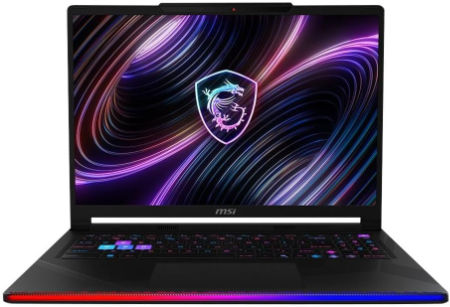
MSI Raider 16 HX 16 inches 240Hz IPS-Level 2560 x 1600 Pixels, 1TB Storage, 32GB RAM, Intel Core Ultra 7 255HX, NVIDIA GeForce RTX 5070 Ti Laptop GPU 12GB GDDR7 |
|
|---|---|
 Check This On Amazon |
|
| CPU | Intel Core Ultra 7 255HX |
| GPU | NVIDIA GeForce RTX 5070 Ti Laptop GPU 12GB GDDR7 |
| Display Size | 16 inches |
| Display Resolution | 2560 x 1600 Pixels |
| RAM | 32GB DDR5 RAM |
| Storage Space | 1TB NVMe SSD |
| Operating System | Windows 11 |
| Ports | Thunderbolt 4, USB Type A, HDMI 2.1, RJ45 Ethernet, SD Express reader, audio combo jack |
| Dimensions (L x W x H) | 14.1 x 10.6 x 1.1 inches |
| Weight | 6.2 pounds |
| Pros | Strong gaming performance; 240Hz display; upgradeable memory |
| Cons | Heavy; expensive; battery life is limited during gaming |
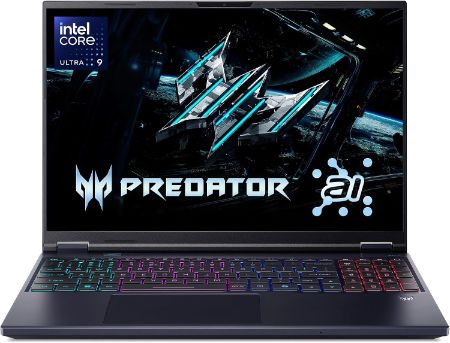
Acer Predator Helios Neo 16S AI 16 inches 2560 x 1600 Pixels, 32GB DDR5, 1TB PCIe Gen 4 SSD, Intel Core Ultra 9 386H, NVIDIA GeForce RTX 5070 Ti Laptop GPU 12GB GDDR7 |
|
|---|---|
 Check This On Amazon |
|
| CPU | Intel Core Ultra 9 386H |
| GPU | NVIDIA GeForce RTX 5070 Ti Laptop GPU 12GB GDDR7 |
| Display Size | 16 inches |
| Display Resolution | 2560 x 1600 Pixels; WQXGA OLED, 240Hz |
| RAM | 32GB DDR5 |
| Storage Space | 1TB PCIe Gen 4 SSD |
| Operating System | Windows 11 |
| Ports | Thunderbolt 4 USB-C, USB-A, HDMI 2.1, RJ45, audio combo jack |
| Dimensions (L x W x H) | 14.2 x 10.5 x 0.9 inches |
| Weight | 5.5 pounds |
| Pros | High refresh OLED; dedicated RTX graphics; suitable for gaming and creator tasks |
| Cons | Heavy; expensive; fan noise and heat under load |